Open Box




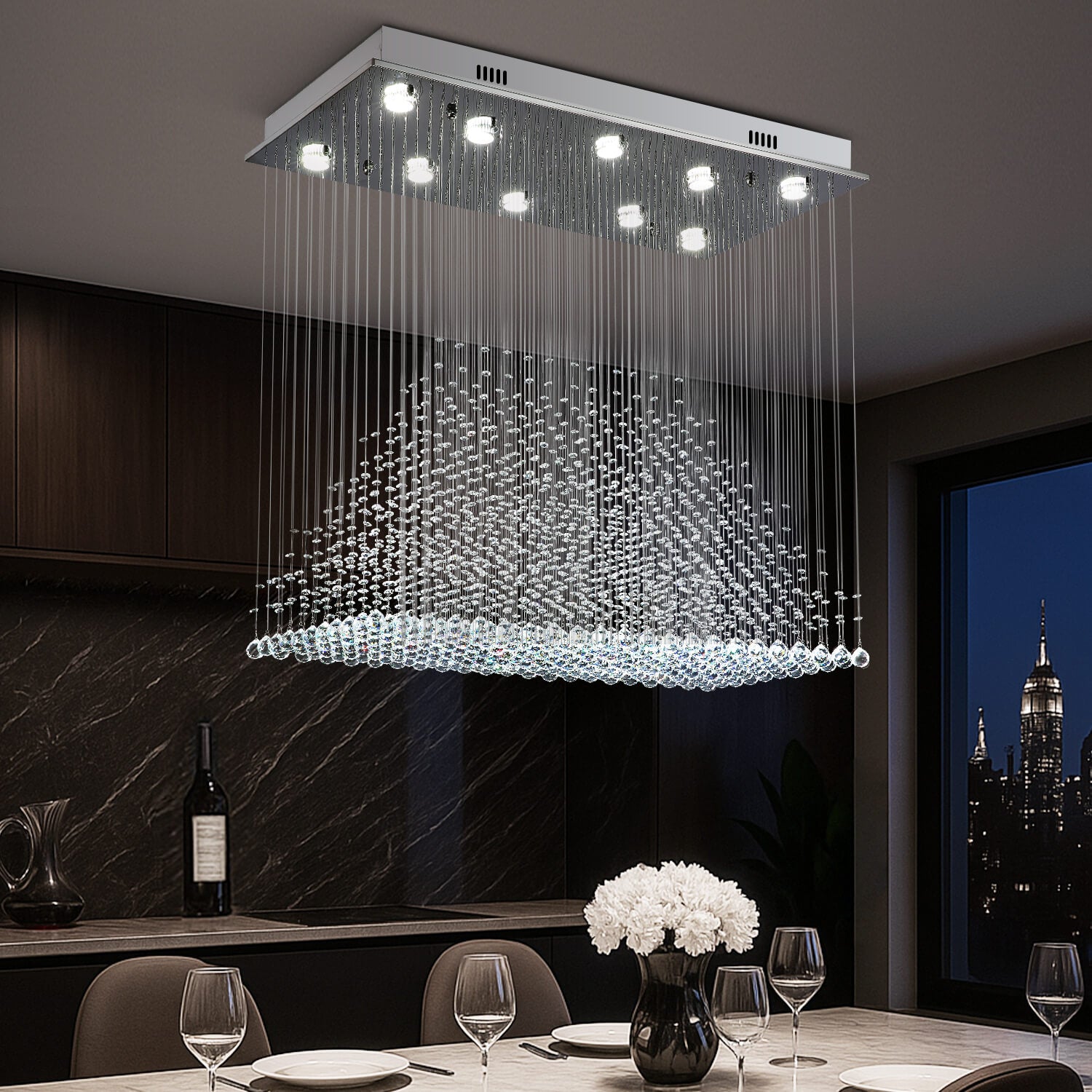
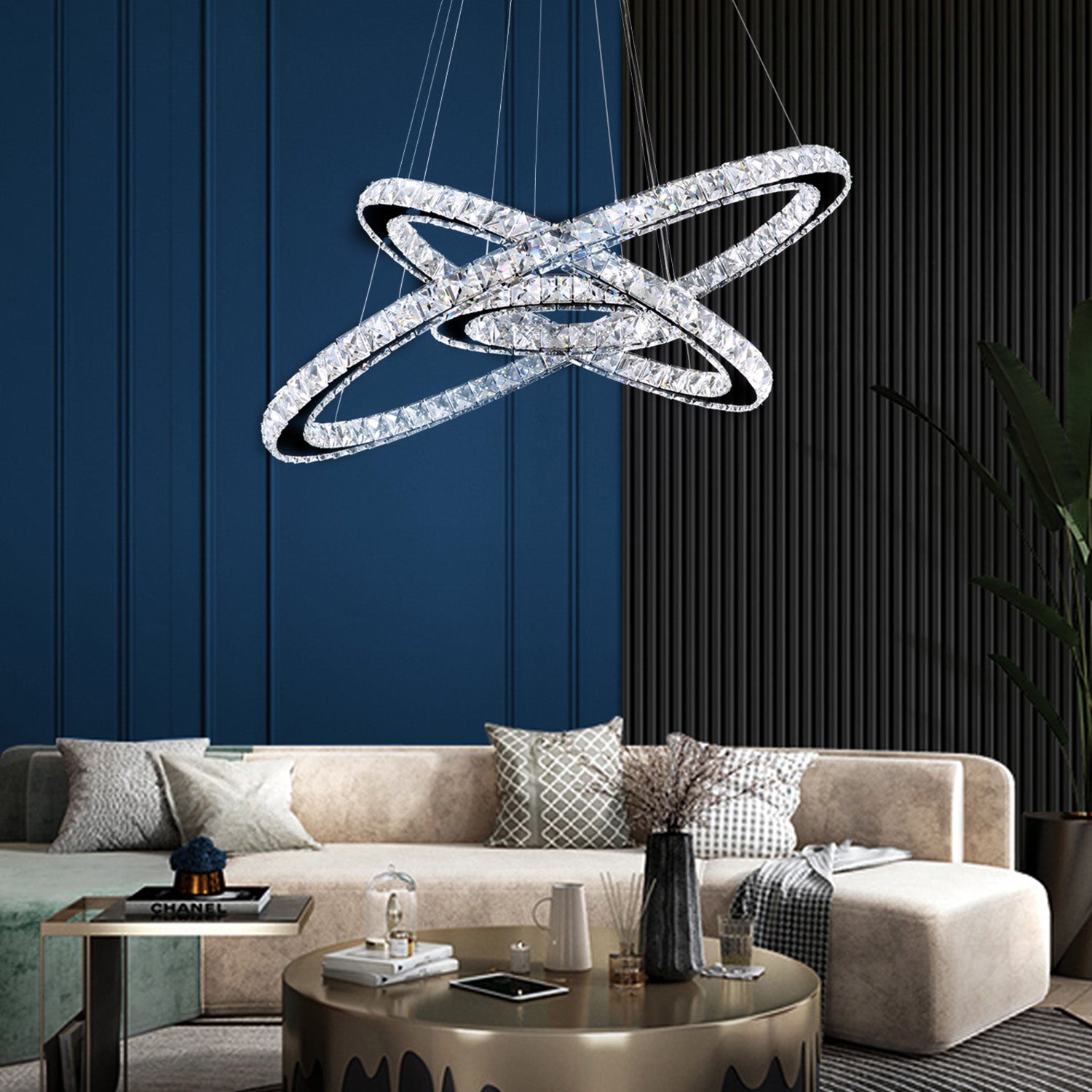
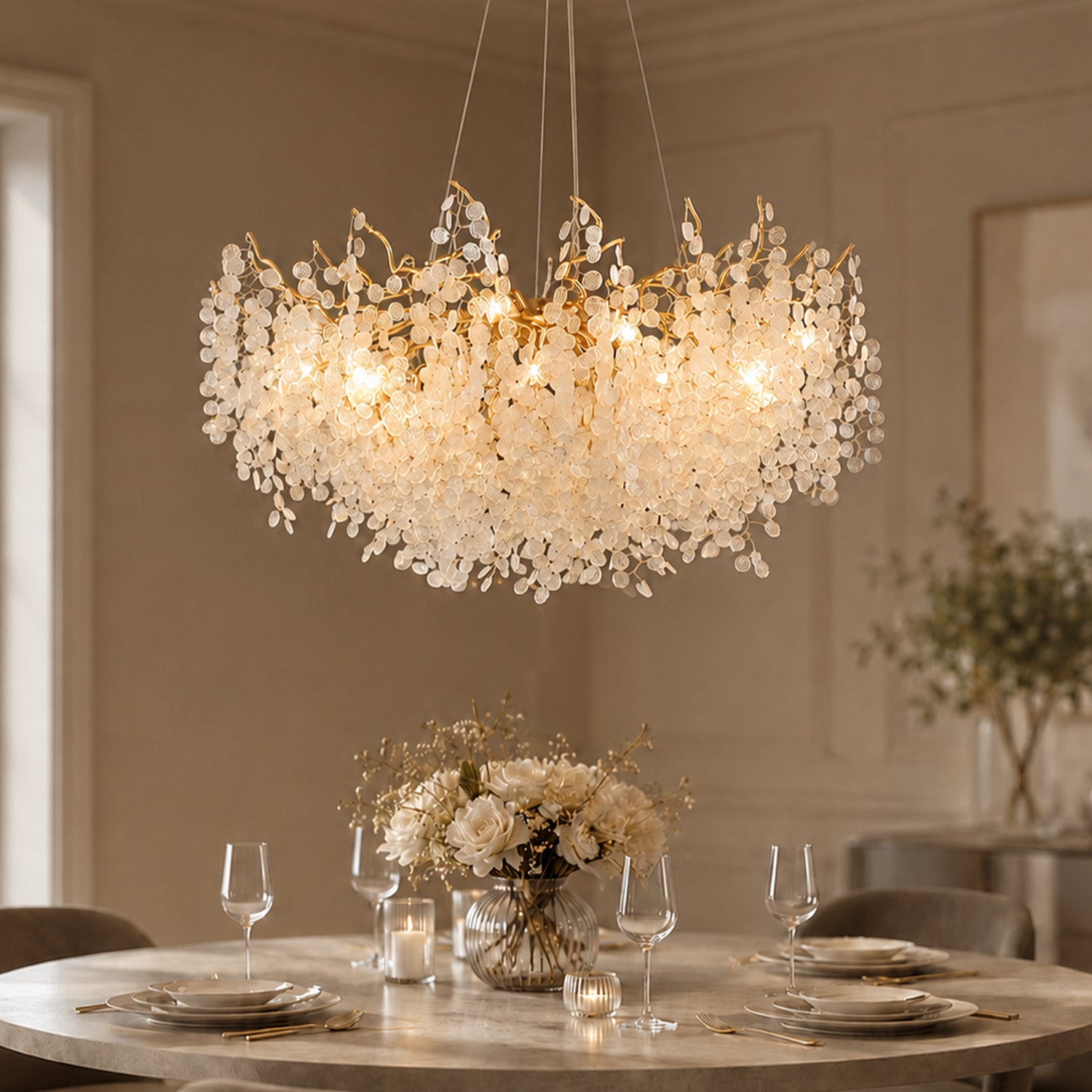
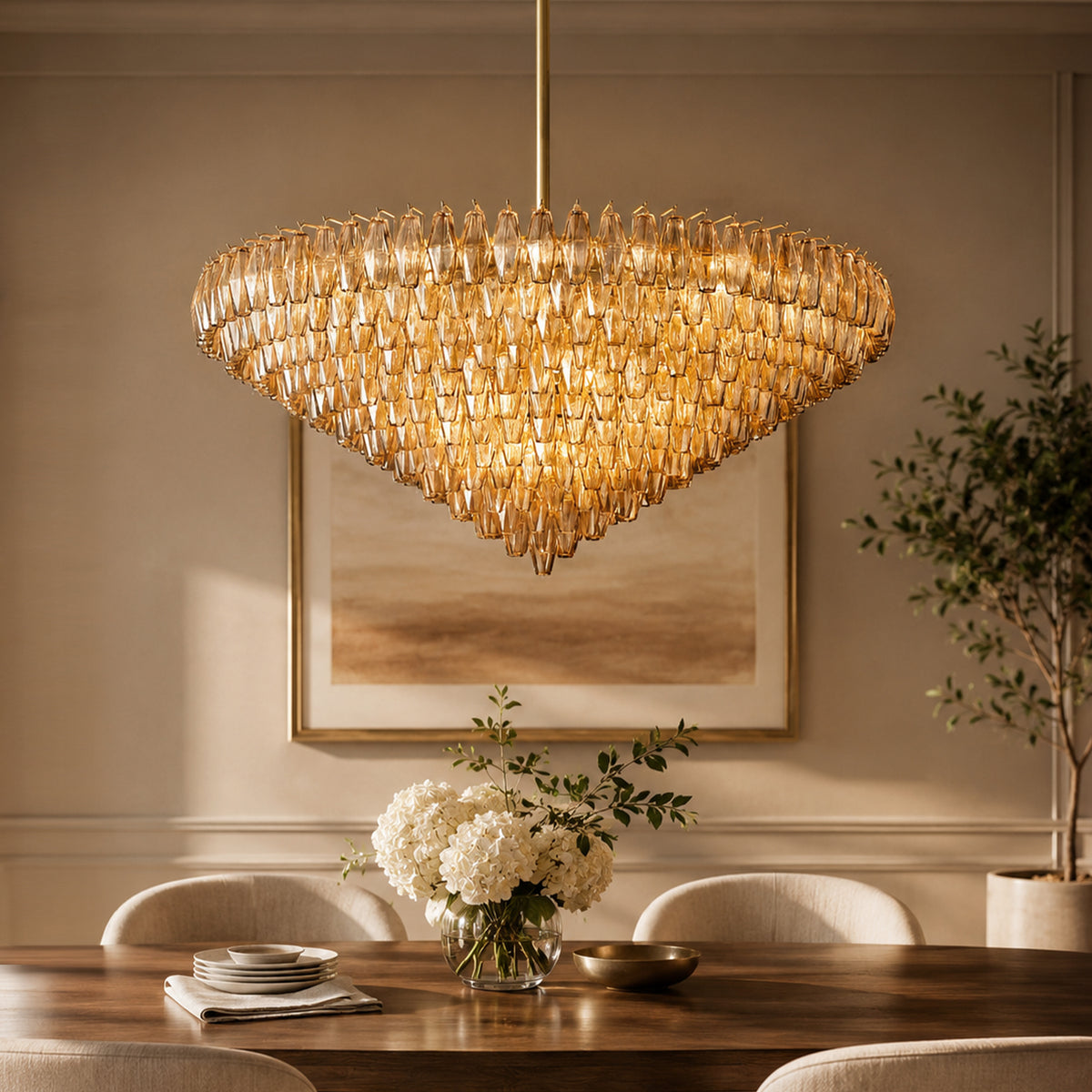
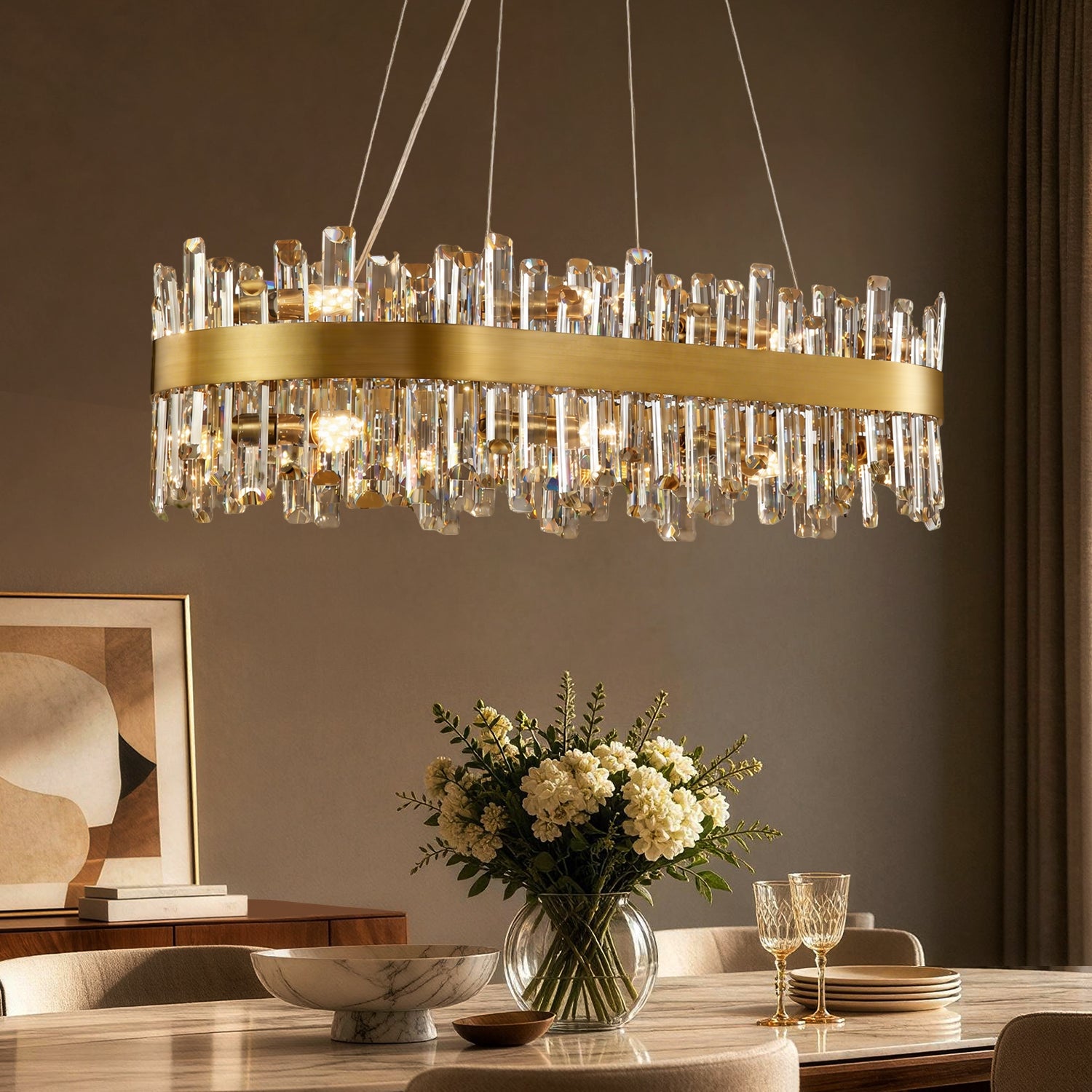
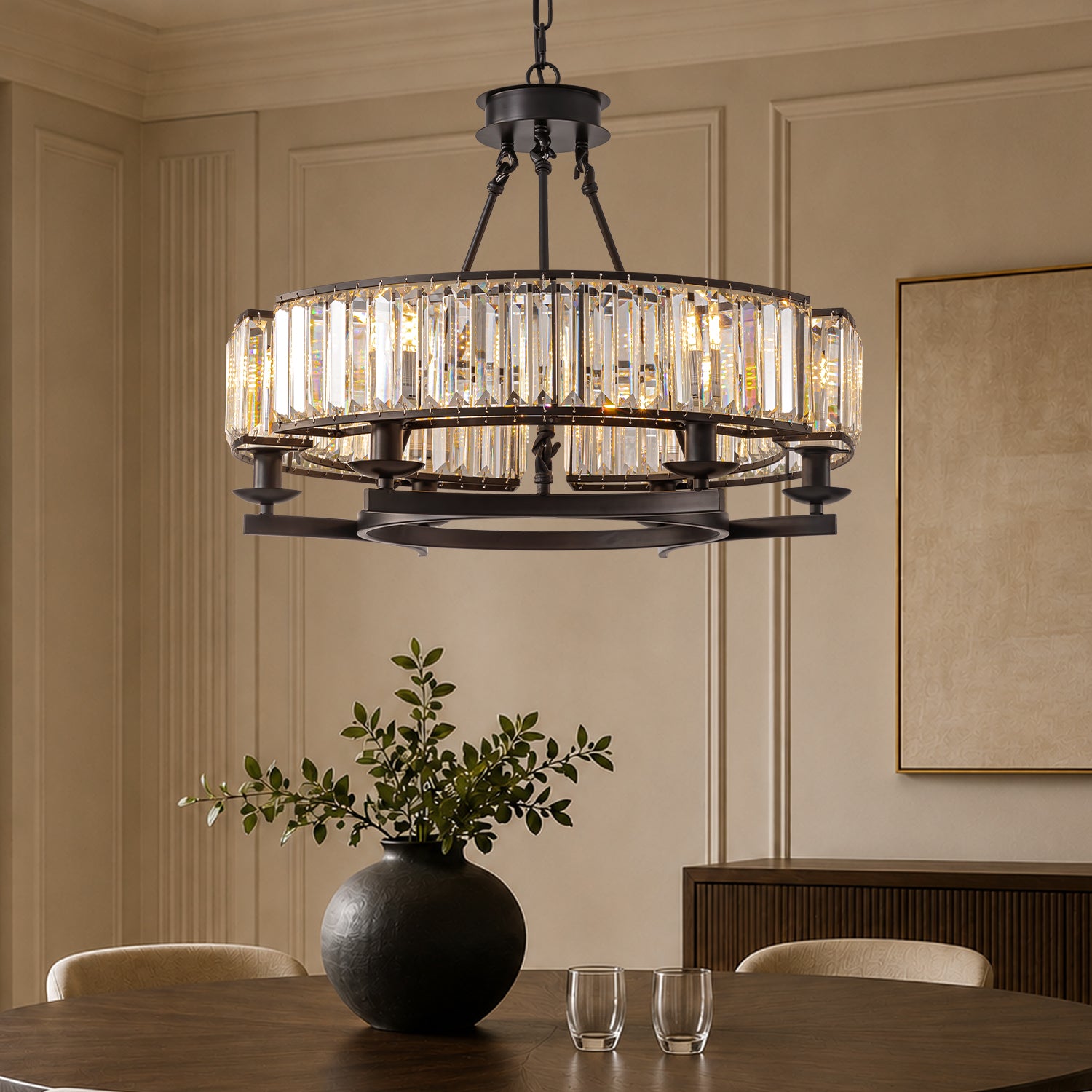
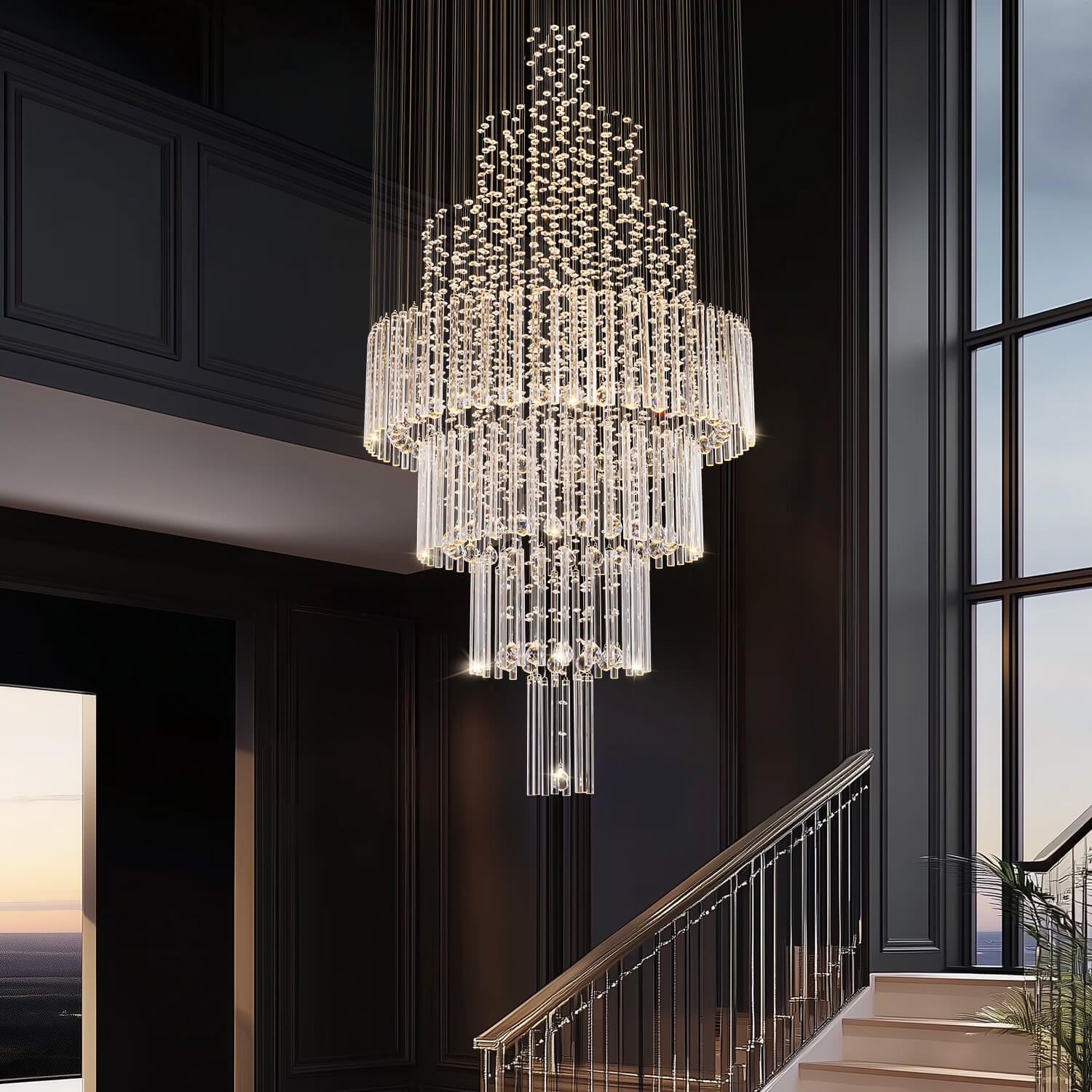
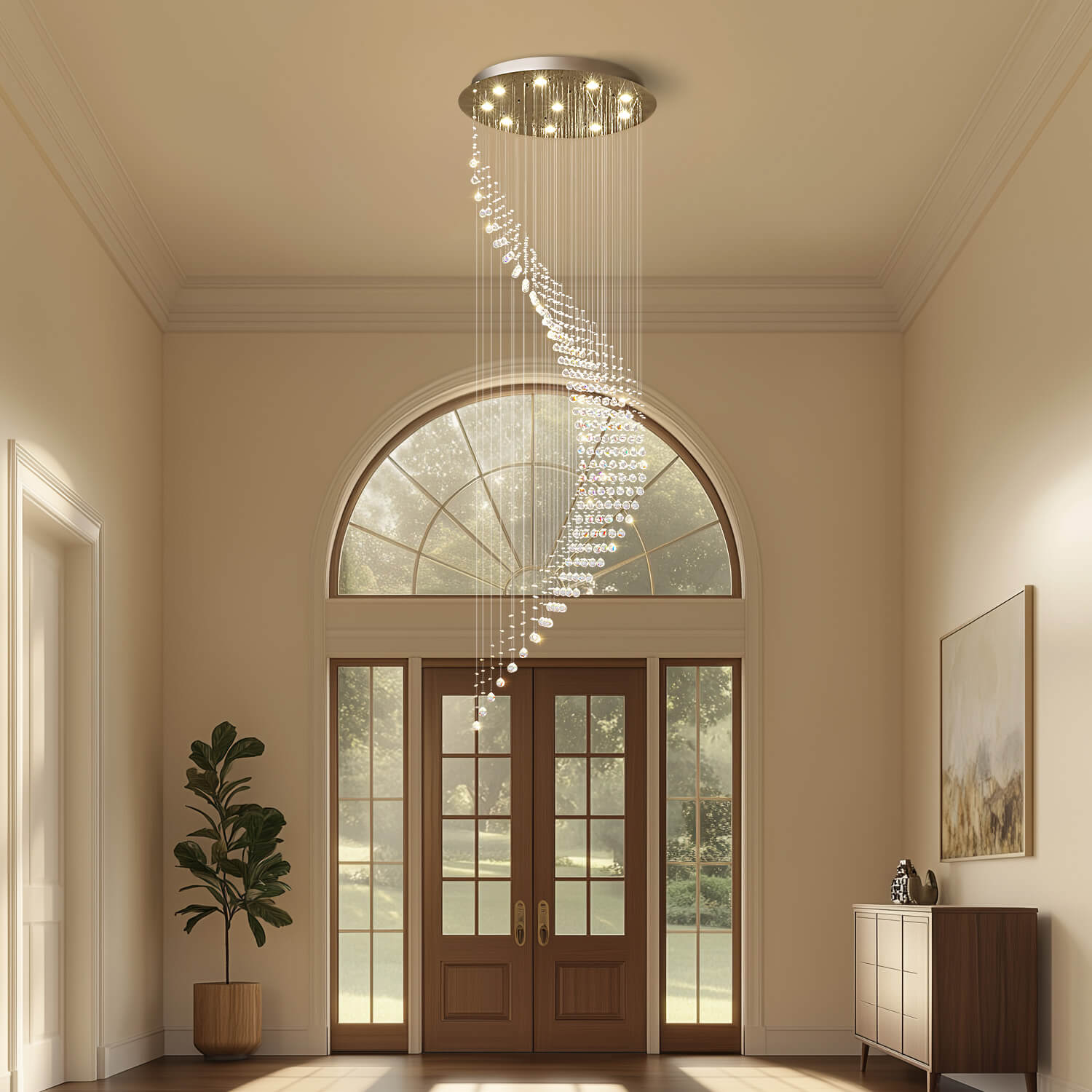
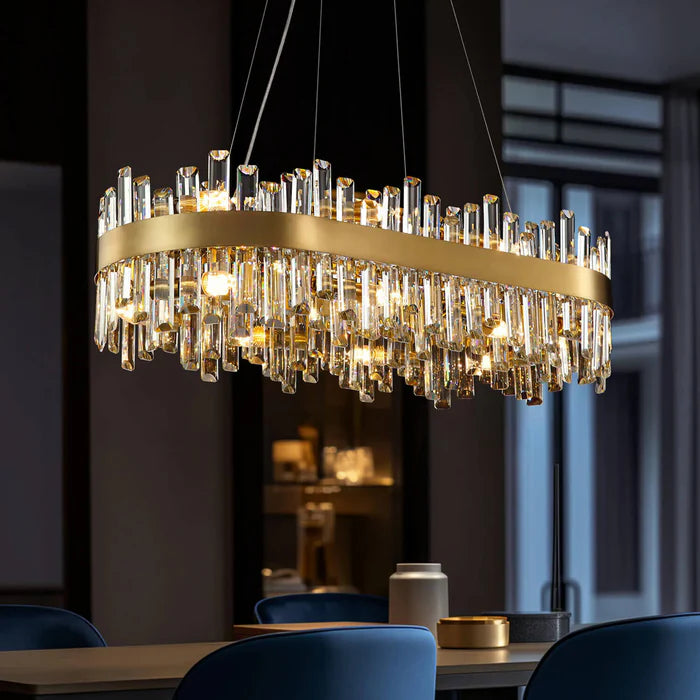
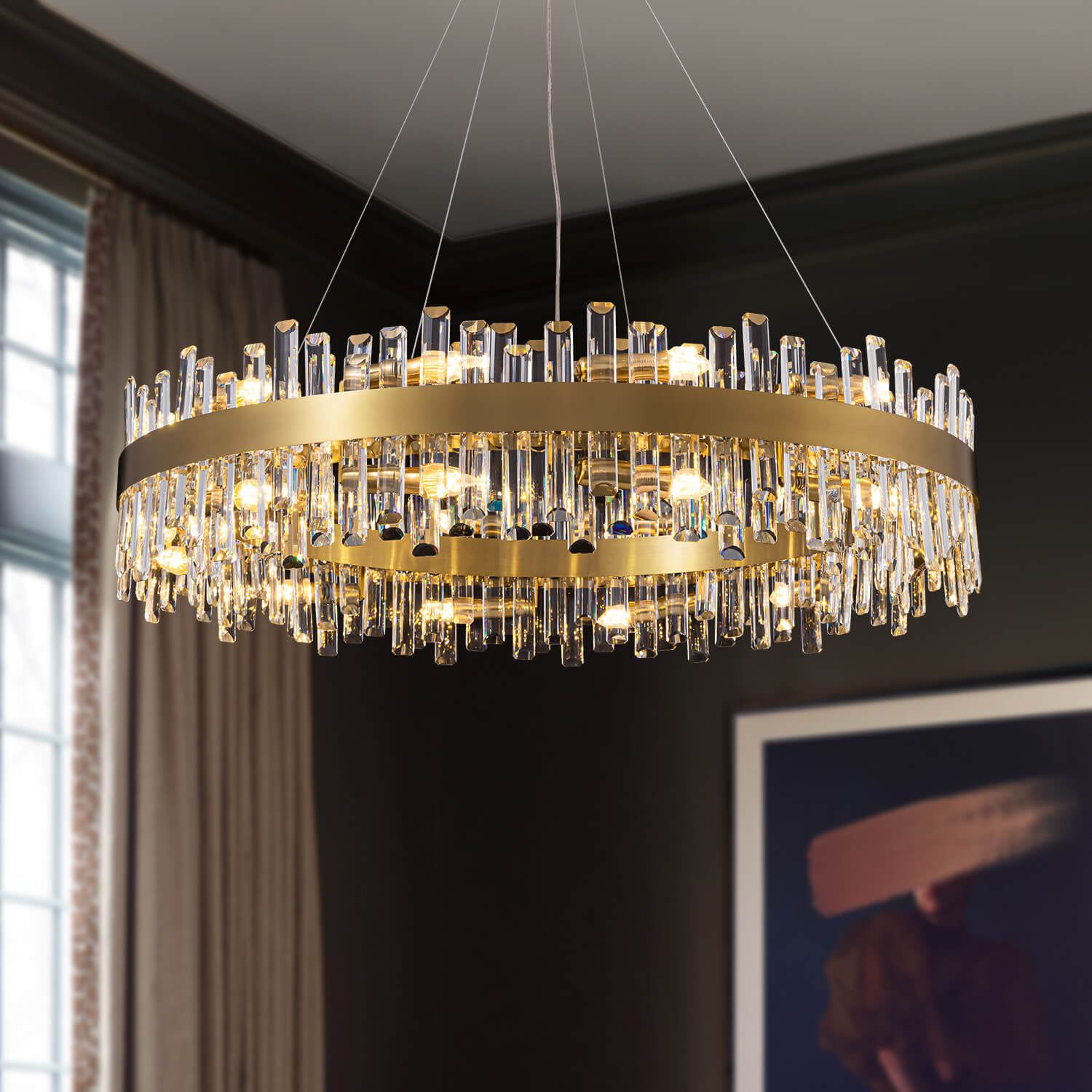
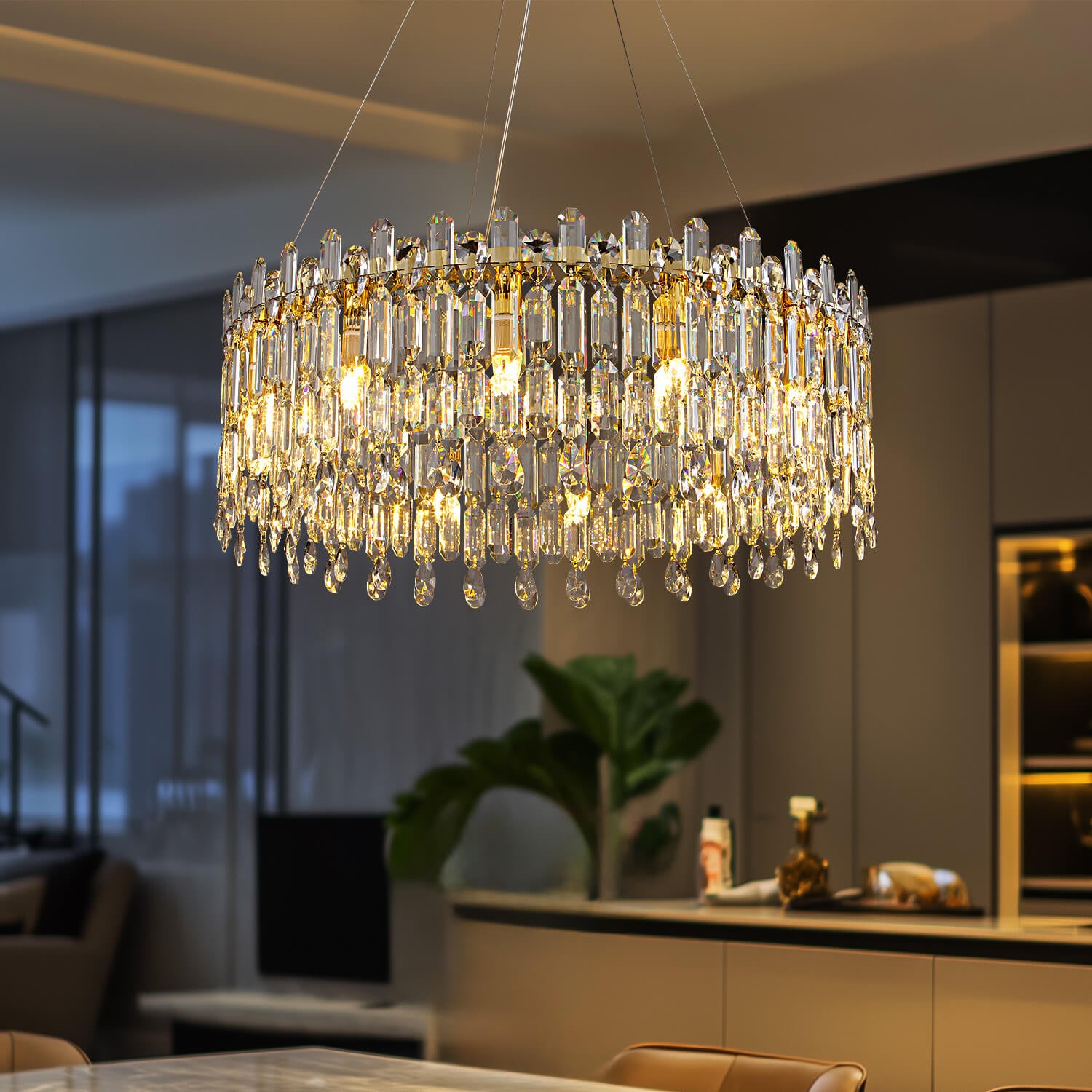
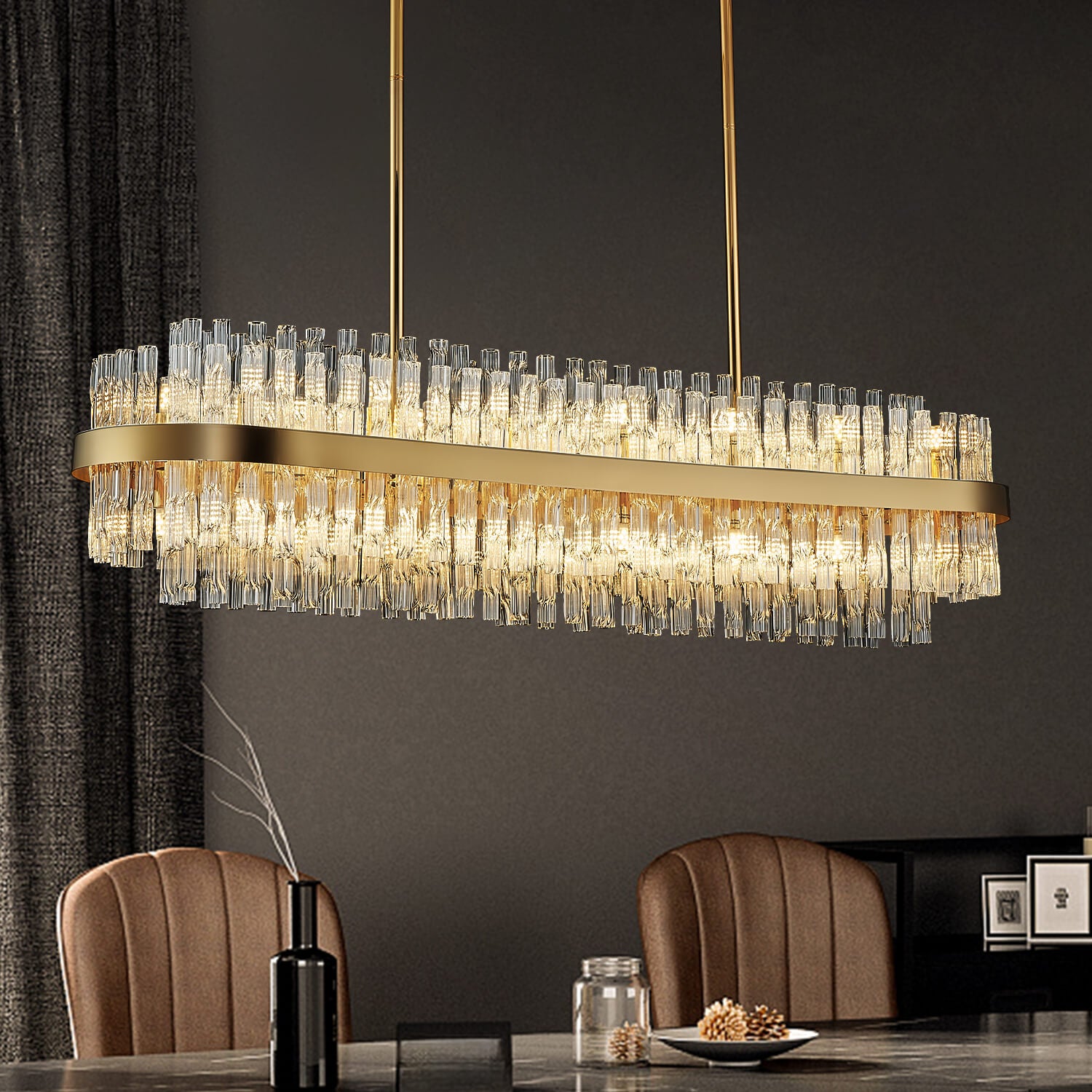


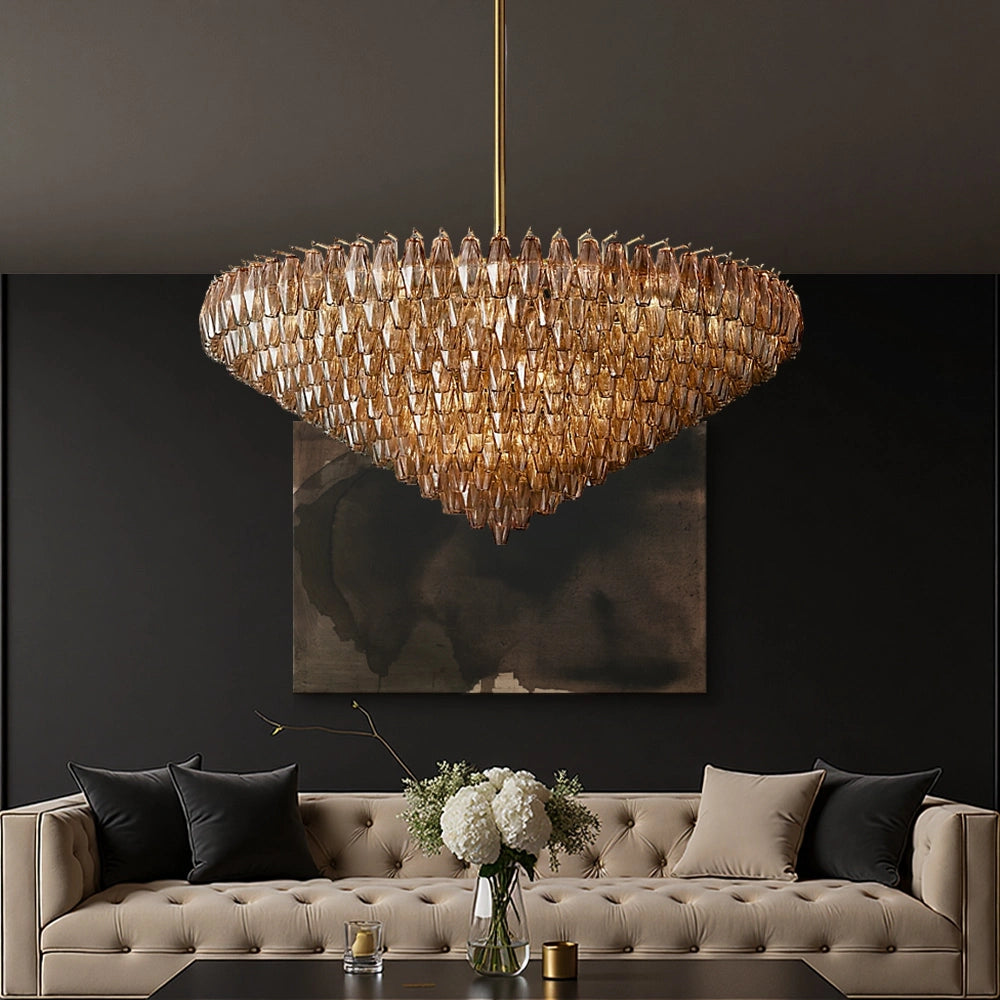
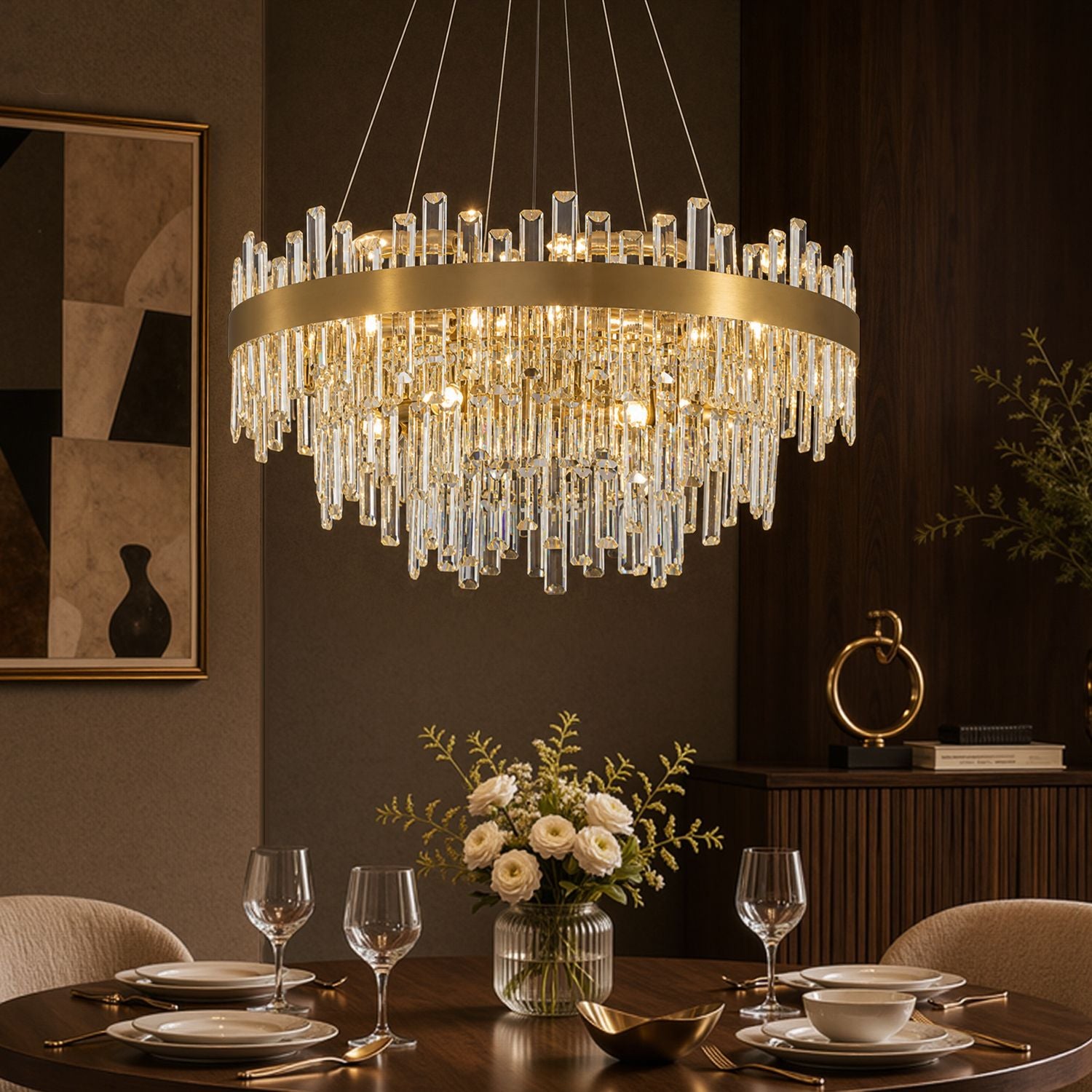
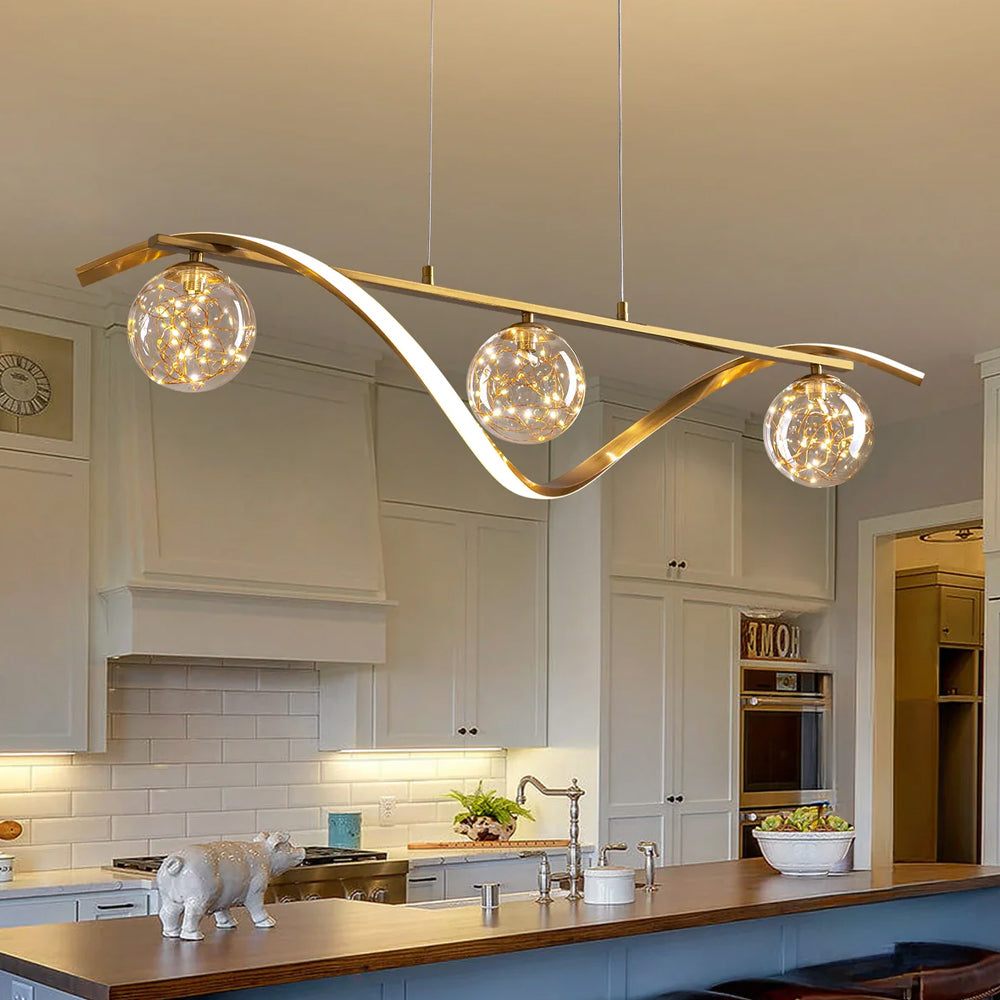
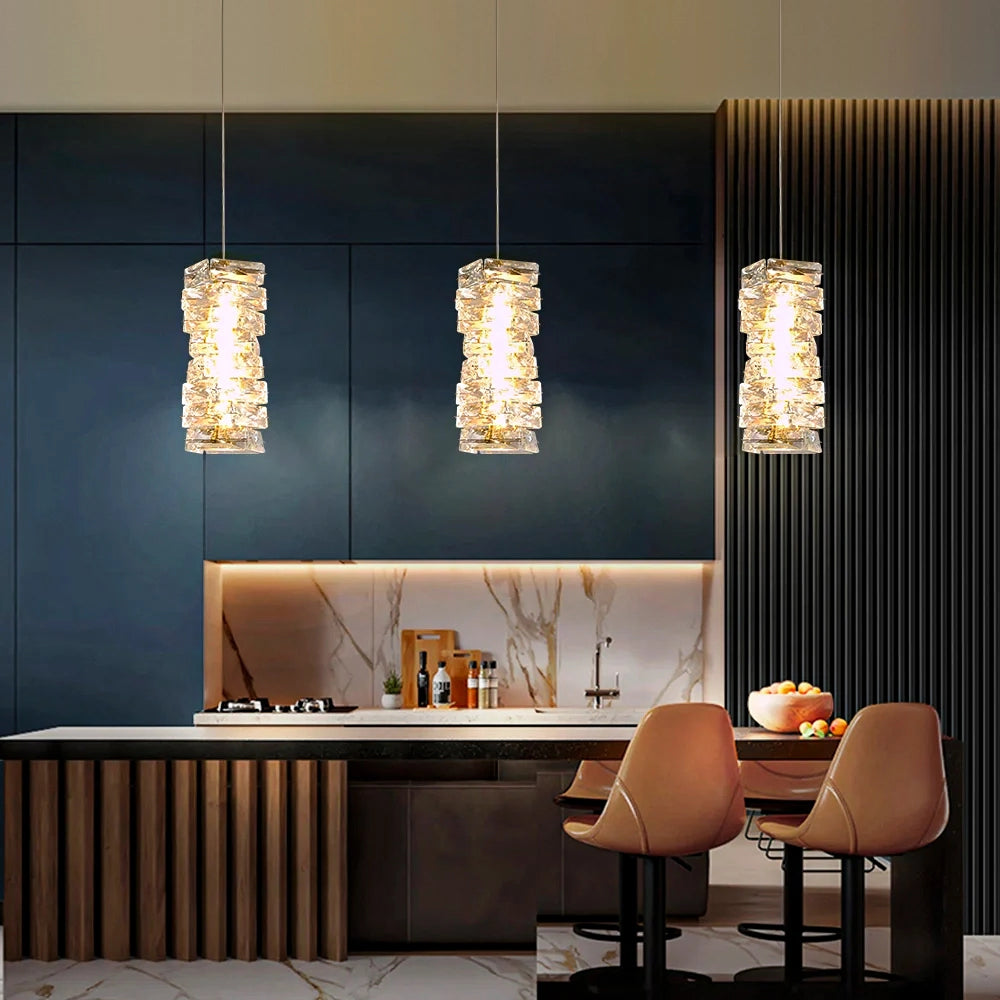
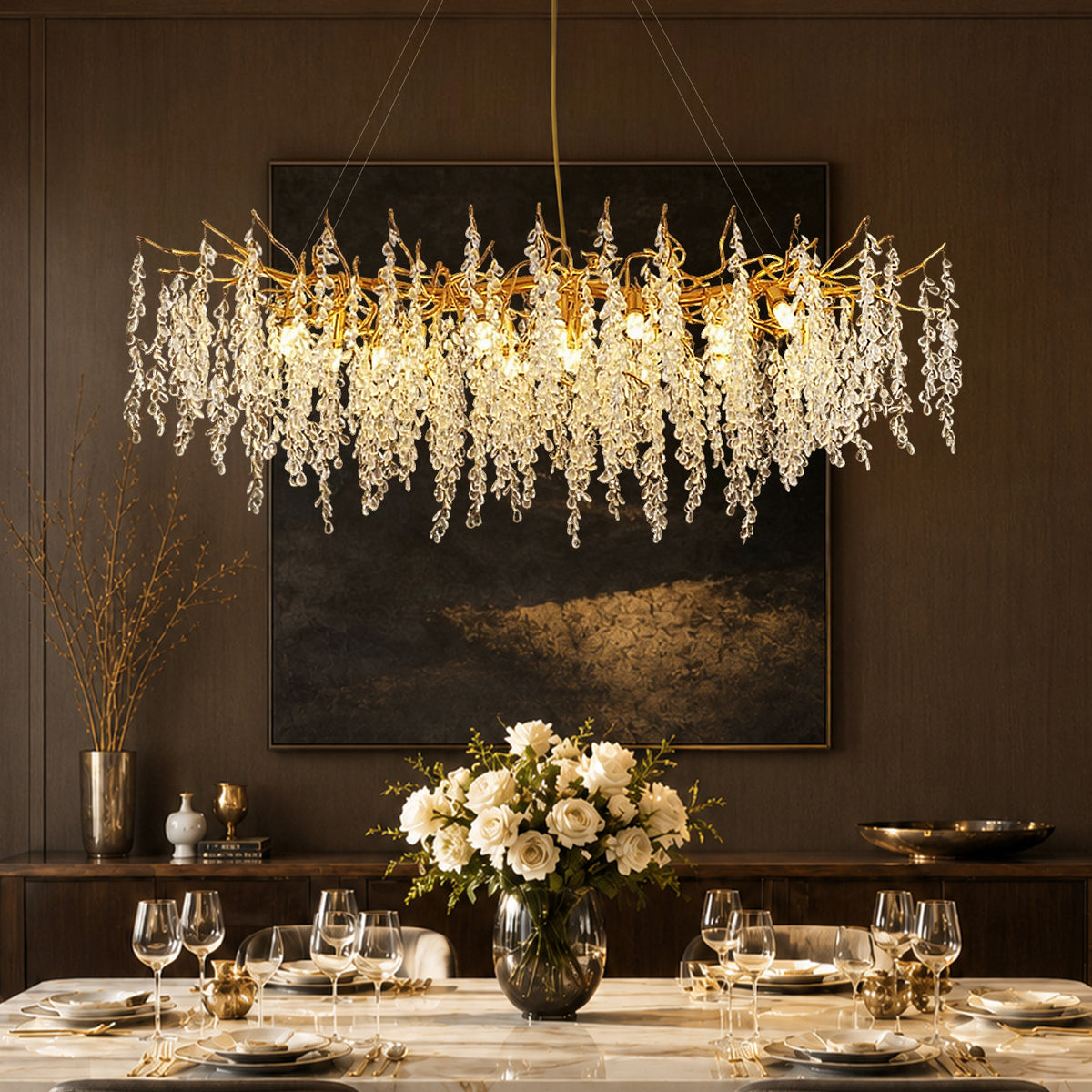
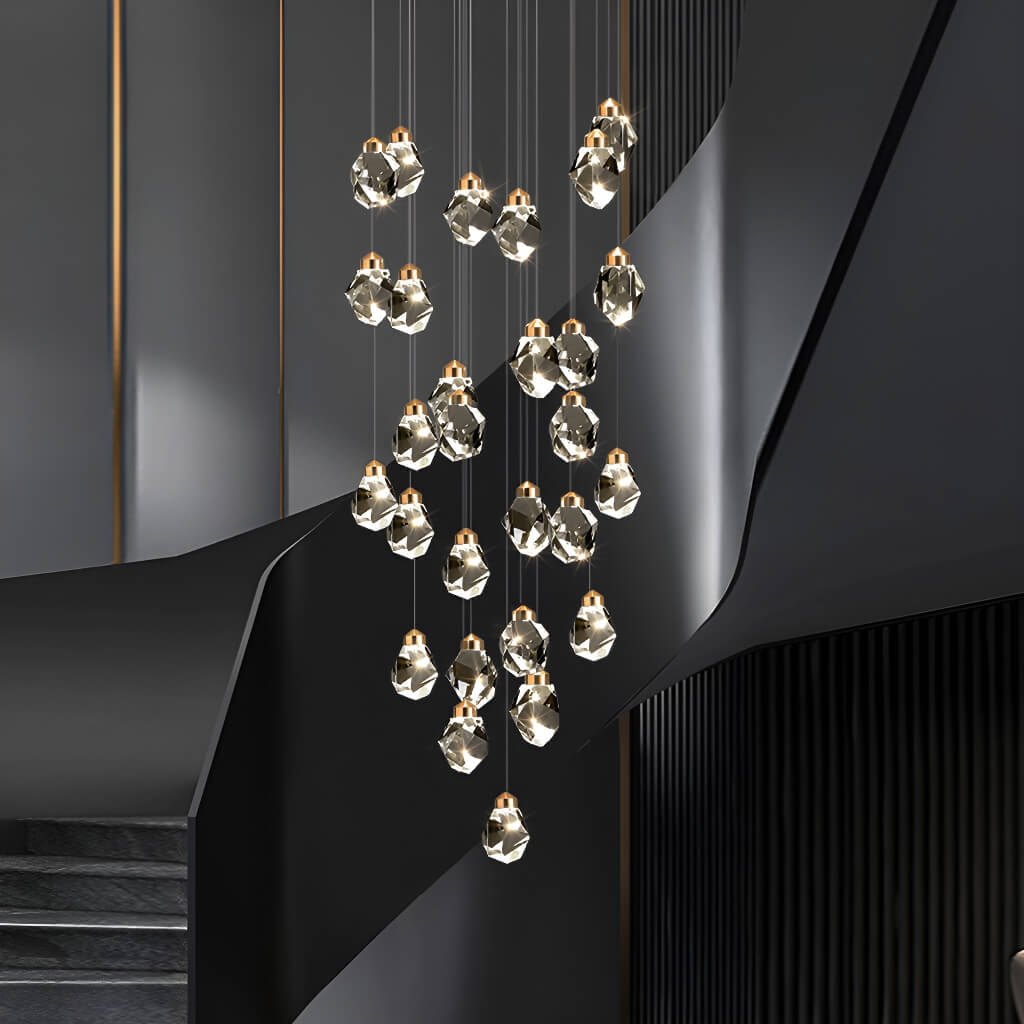

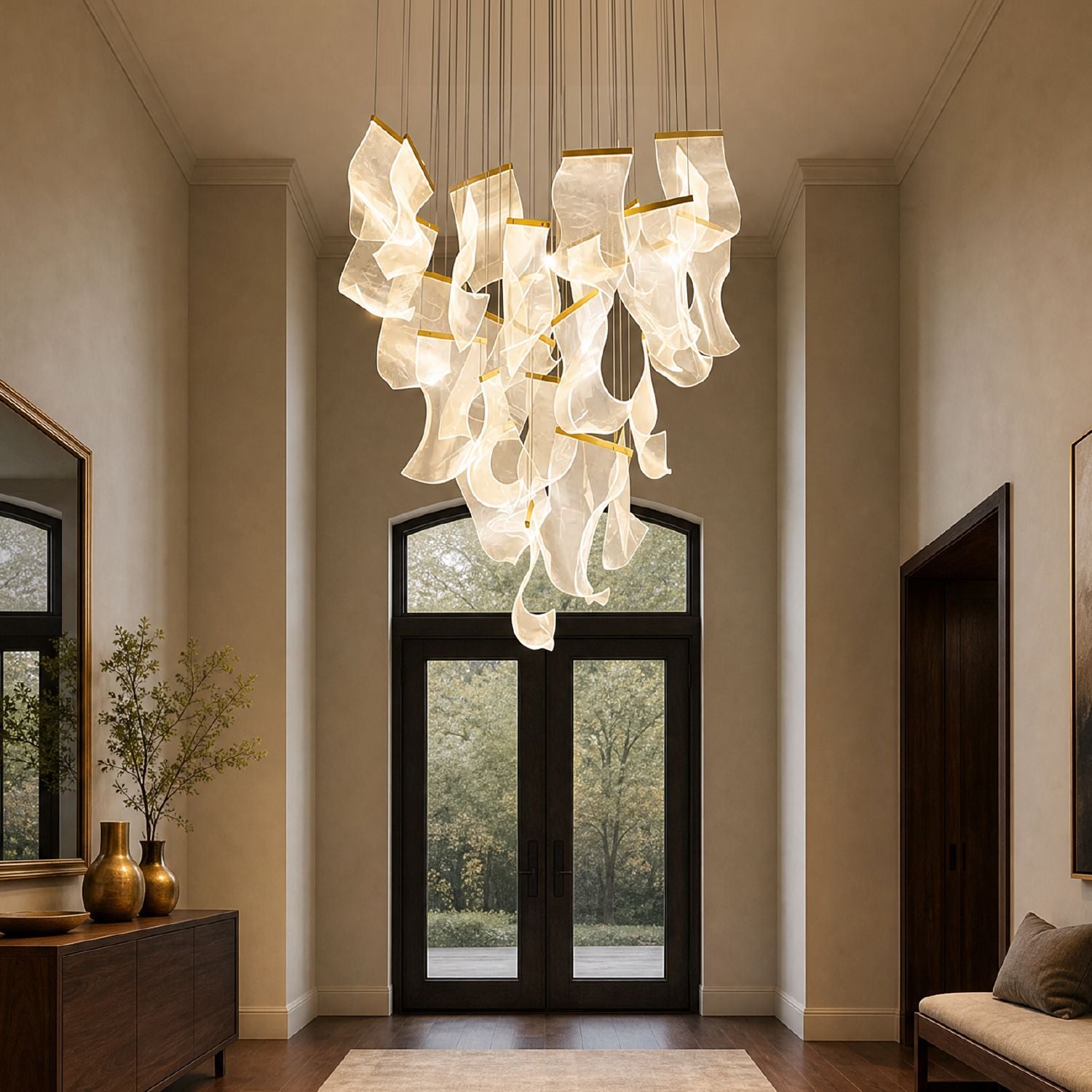

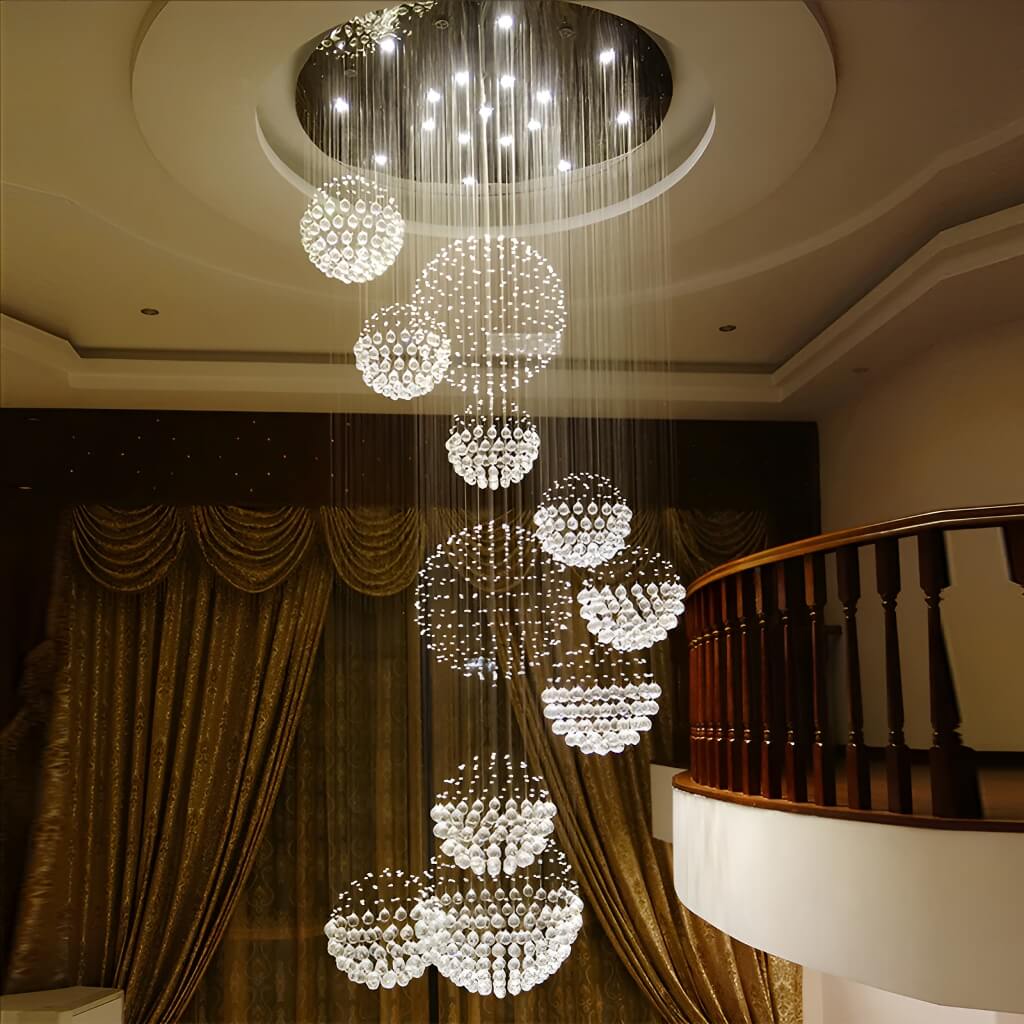
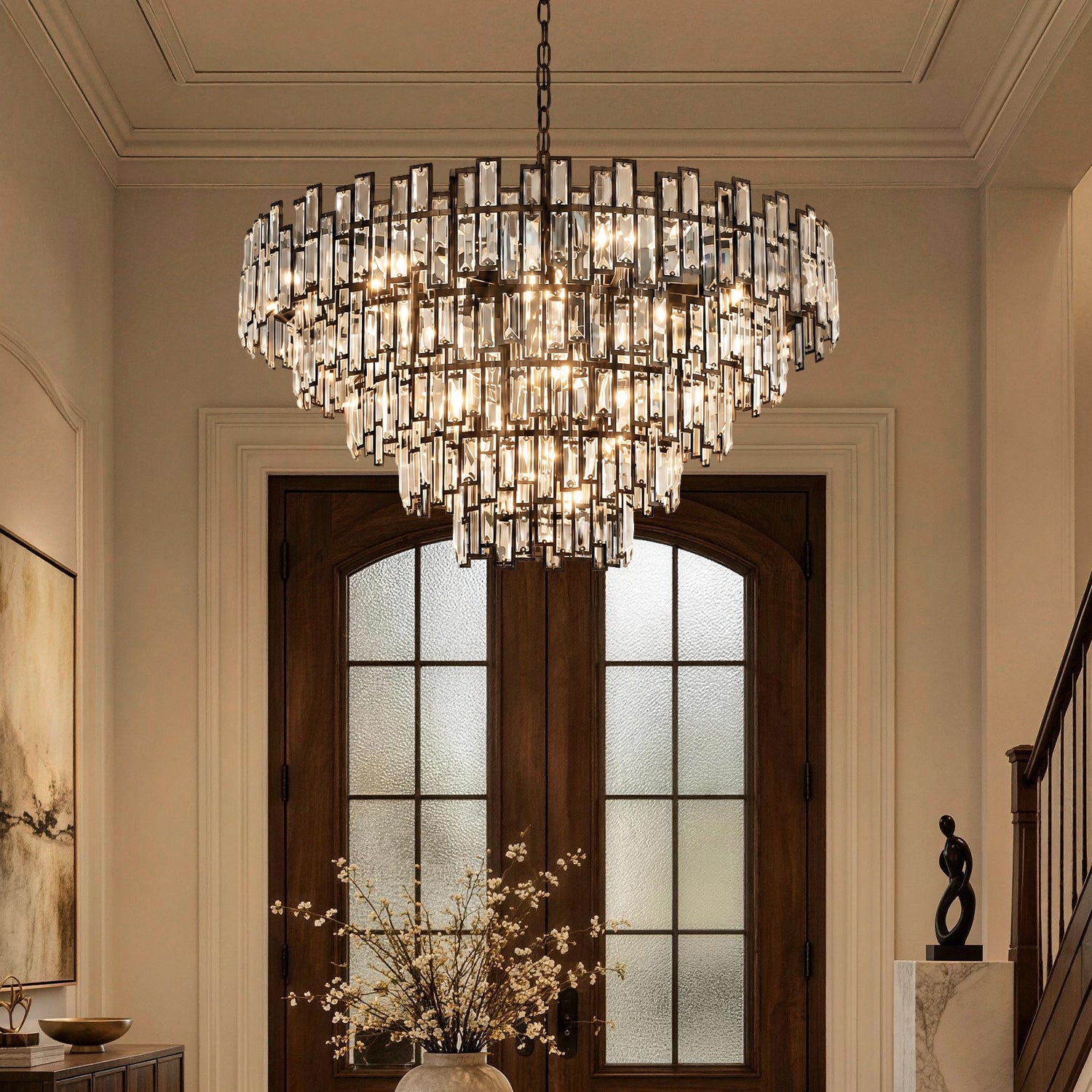

Quick answer: Natural alabaster is not expected to look perfectly uniform. Differences in tone, veining, clouding and translucency can be part of the stone rather than defects. Damage is more likely when there is missing material, a fresh chip, a loose component, powdering, surface softening or a crack that changes over time. A single product photo cannot reliably settle every case, so uncertain marks should be documented in both unlit and illuminated conditions and reviewed by the seller before installation.
Scope and evidence limit: This guide is a buyer-oriented variation framework based on published stone-care guidance and Sofary product pages inspected on September 2, 2026. It is not a laboratory test of 50–100 numbered alabaster samples, a mineral certification, or a remote damage diagnosis. The inspected Sofary pages describe natural variation but do not publish a standardized color scale, translucency grade or mineralogical test report.
Alabaster lighting is valued because the stone does not behave like a sheet of identical manufactured glass. When illuminated, one panel may appear creamy and quiet while another shows stronger bands, clouds or darker mineral traces. That individuality is part of the material decision—but “natural” should not become a blanket explanation for every visible condition.
A useful inspection separates four questions: What is the stone’s natural appearance? How is the light changing what you see? Is the surface and edge physically stable? Does the condition match the seller’s published description and the agreed variation range?
What does natural alabaster variation mean?
The U.S. National Park Service describes alabaster as a fine-grained, translucent stone whose color and veining can resemble marble, while also warning that it is softer, more moisture-sensitive and easier to scratch or bruise. The same guidance notes that identifying stone by appearance alone can be difficult and discourages destructive scratch or acid testing on finished objects. See the National Park Service Care of Alabaster guide.
In commercial lighting, the word alabaster should therefore be treated as a material declaration that still needs product-level evidence. The most useful proof is not a poetic description of a “stone-like glow,” but an exact material field, clear unlit and illuminated photographs, close views of the actual components, and a written natural-variation note.
For example, the inspected Aethel Modern Natural Alabaster Linear Chandelier page identifies the material as natural alabaster and states that color, veining and translucency may vary. That statement supports an expectation of variation. It does not prove the mineral composition, optical transmission or appearance of every future piece.

A practical atlas: four features to inspect
The table below is an inspection framework, not a grading system. None of the four features proves quality by itself.
| Feature | What natural variation may look like | What changes the appearance | What to verify |
|---|---|---|---|
| Color | Differences from pale white and cream to warmer beige, honey or gray-brown areas within or between pieces | Stone composition, surrounding finishes, camera white balance and whether the fixture is illuminated | Ask whether the seller offers sample approval or only a general variation notice |
| Veining and clouding | Fine lines, broad bands, cloudy zones, spots or directional mineral patterns | Cut orientation, panel shape, surface finish and viewing distance | Look for an intact surface and edge; do not assume every dark line is a crack |
| Translucency | Some areas transmit more light while denser zones appear darker or more opaque | Stone thickness, light-source position, bulb output, color temperature and camera exposure | Compare the same piece both unlit and lit; do not compare two products photographed under different conditions as if they were a controlled test |
| Surface and edges | Subtle texture or mineral pattern can be natural when the component remains intact and stable | Finishing method, handling, mounting pressure, moisture and cleaning history | Check for missing material, fresh chips, loose sections, powdering, abrasion or a changing crack |
How color and veining should be evaluated
Color difference is not automatically a defect
A natural alabaster chandelier may contain several pieces cut from different parts of a block or from more than one selected block. Perfect color matching should not be assumed unless the seller explicitly promises it. A warmer panel beside a cooler one may be normal variation when both pieces are intact and fall within the seller’s documented range.
Color is also difficult to judge from a single online image. Warm bulbs, evening ambient light and camera processing can make pale stone look more amber. Daylight, a cooler display and an unlit fixture can make the same material appear grayer or more opaque. For a useful comparison, request or review both unlit and illuminated views captured from similar angles.
Veining does not create a universal quality hierarchy
Strong veining is not inherently better or worse than quiet veining. It is an aesthetic and matching consideration. A heavily patterned piece may be desirable in a sculptural fixture, while a more uniform group may suit a minimal interior. Quality cannot be established by the amount of veining alone; construction, finish, edge condition, secure mounting and published specifications matter separately.
The Modern Round Alabaster Brass Chandelier page publishes natural alabaster panels and unique veining. The Orbelia Gold Alabaster Globe Linear Chandelier instead uses rounded alabaster forms. These examples show why the same natural pattern can read differently across flat panels and globes; they do not establish a measured superiority between the products.

Why translucency changes from photo to photo
Translucency is the visual result of the stone, its thickness, its finish and the lighting system working together. It is not a single universal grade visible from a lifestyle photograph. A bright point source close to a thin stone section may reveal more internal pattern than a lower-output source positioned farther away. Camera exposure can then make the stone appear brighter than it looks in person.
Use product photographs to understand form and general character, not to infer laboratory light transmission. When translucency matters to the purchase, verify the light source, bulb base or integrated-light specification, maximum permitted wattage, color temperature and dimming details on the exact product page. If a standardized translucency score is not published, treat it as not published.
More translucency is not automatically higher quality. A relatively opaque piece can create a soft architectural glow; a more translucent piece can reveal stronger internal movement. The better choice depends on whether the chandelier is intended to provide ambient illumination, task-supporting light over a surface, or primarily decorative light.
Natural variation or damage? Use a condition check
The safest question is not “Does this line look natural?” but “Is the component physically intact, stable and consistent with the seller’s documented material range?”
| Observed condition | Initial interpretation | Recommended action |
|---|---|---|
| Stable color shift, band, cloud or vein beneath an intact surface | Often consistent with natural variation | Compare lit and unlit views and the seller’s variation notice |
| A fine line that cannot be felt or traced clearly to an edge | Uncertain from a photograph; it may be a vein or an internal separation | Photograph it close-up, from the edge, lit and unlit; ask the seller to review before installation |
| Missing edge material, a fresh-looking chip or separated fragment | Potential shipping, handling or installation damage | Stop handling, retain packaging, document the condition and contact the seller |
| A loose panel, globe or mounting point | Installation or component-security concern, not merely visual variation | Do not energize or install until the mounting method is checked |
| Powdering, flaking, softening, new roughness or moisture-related staining | Condition change requiring review | Avoid further cleaning and seek product-specific service guidance |
| A line that widens, shifts or changes after handling | Potential active crack or structural instability | Stop handling and request professional assessment |
The National Park Service identifies breakage, chipping, scratching, bruising, staining and damage from stressed mounts as real conservation concerns. It also explains that visual identification can be unreliable and that scratching or acid testing is inappropriate for finished objects. For a chandelier buyer, that means documenting uncertainty is safer than trying a home test.

How four Sofary alabaster forms use natural stone
The following examples were selected because their inspected pages explicitly describe natural alabaster. They illustrate product form, not a controlled comparison of stone quality.
| Sofary product | Published material/form | Useful buying observation | Not established by the page |
|---|---|---|---|
| Aethel Modern Natural Alabaster Linear Chandelier | Natural alabaster panels in a linear fixture; the page includes a natural-variation note | Repeated panels make side-by-side variation more visible across one fixture | Standardized color range, translucency grade and mineral test report |
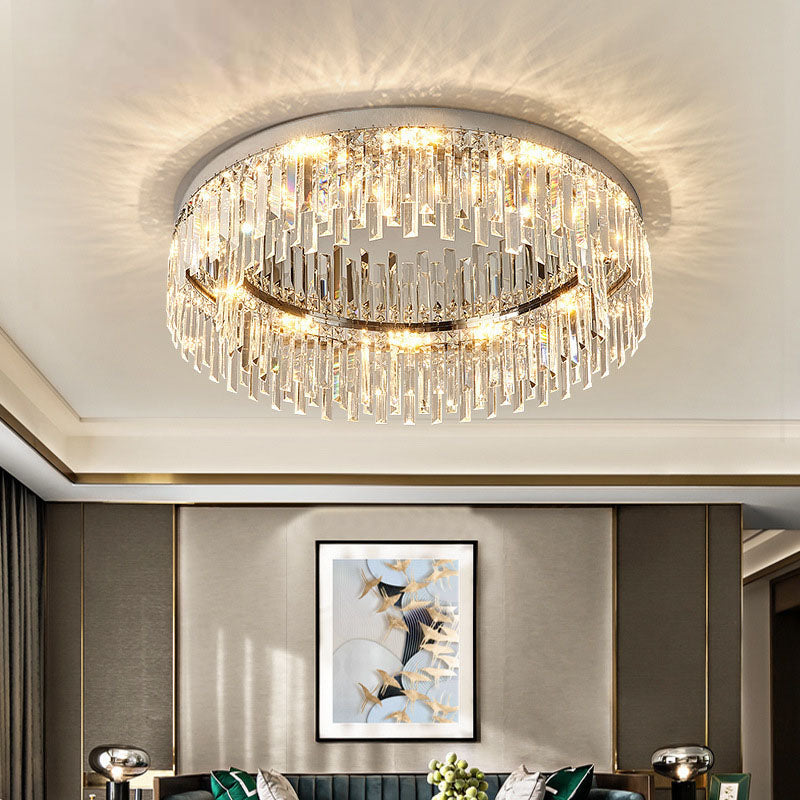
| Modern Round Alabaster Brass Chandelier | Natural alabaster panels with published unique-veining language | The circular arrangement lets variation read as a continuous material rhythm | Exact panel matching for a future order |
| Orbelia Gold Alabaster Globe Linear Chandelier | Natural alabaster globes on a linear frame | Curved forms can reveal veining and brightness differently as the viewing angle changes | Measured optical transmission or proof that every globe will match |
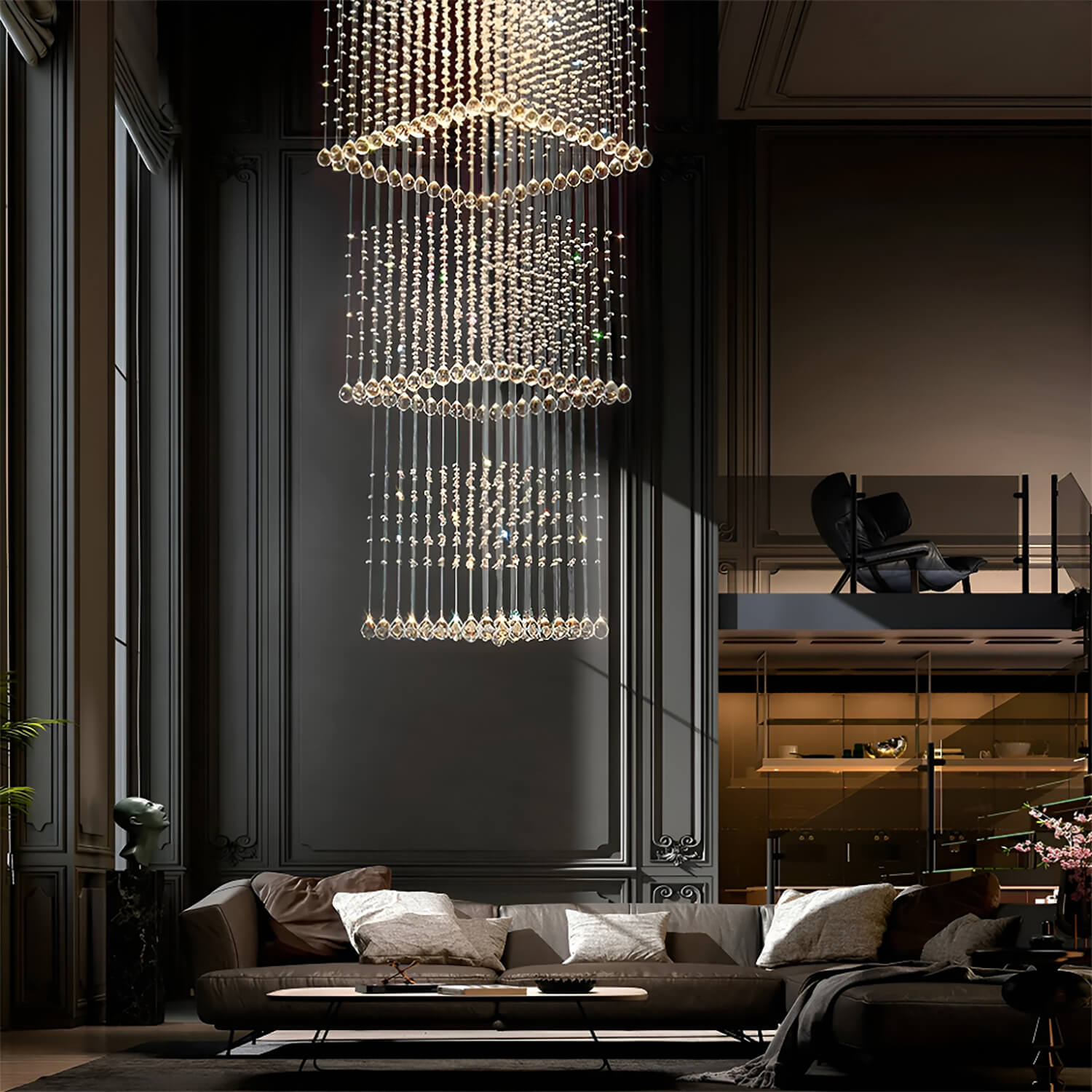
| Auravelle Modern Luxury Tiered Alabaster Chandelier | Tiered natural alabaster panels; the page states that color, veining and translucency vary | Layering can combine material variation with shadow and overlap | A universal appearance under every bulb, room finish or exposure setting |
Because these products use different shapes and lighting arrangements, their photographs should not be used as a direct material-performance ranking. A fair evaluation would require comparable stone thickness, finish, light source, output, color temperature, camera exposure and viewing distance—conditions not published as a controlled test on the inspected pages.
Before buying: define the acceptable variation range
- Confirm the exact material description. “Stone look,” “alabaster style” and “natural alabaster” are not interchangeable statements.
- Review both unlit and illuminated images. Each reveals different information about surface color, veining and internal pattern.
- Ask whether actual-piece approval is available. If not, understand that the website image represents a general appearance rather than the exact pieces you will receive.
- Request close views of edges and mounting points. These are more useful for condition checking than a distant room scene.
- Confirm replacement-part availability. Ask whether a broken panel, globe or stone element can be ordered separately for the selected model.
- Read the return and damage-reporting process before delivery. Record any inspection deadline and the photos or packaging evidence required.
- Do not select by veining alone. Verify overall dimensions, fixture weight, light source, suspension and installation requirements.
If you are comparing material against total cost, use Sofary’s chandelier price and value guide. For a dining-table installation, confirm the fixture’s proportions with the dining chandelier sizing guide before choosing a stone pattern.
Delivery inspection before installation
- Photograph the unopened carton, shipping labels and any external impact marks.
- Open the package on a clean, padded surface and keep every layer of packaging.
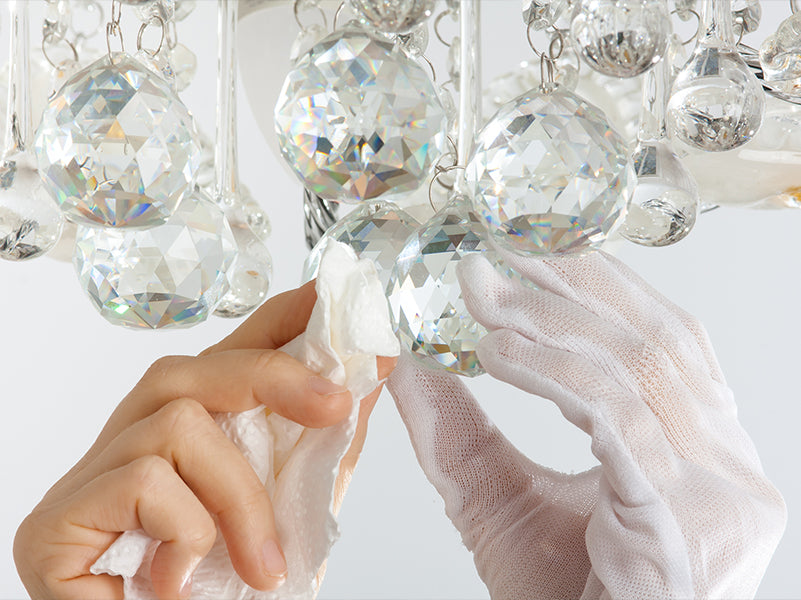
- Wear clean gloves and remove jewelry that could scratch the stone.
- Confirm the component count against the manual before assembly.
- Photograph each uncertain mark in daylight or neutral room light, then again with light passing through the stone if the product can be safely illuminated.
- Capture the front, back or edge when accessible; one straight-on photograph may hide separation or depth.
- Do not assemble or install a component that is chipped, loose, powdering or suspected of having an active crack.
- Contact the seller with the order reference, component position and images before discarding packaging.

How to care for an alabaster chandelier
Alabaster should be treated as a delicate stone, not as glass. The National Park Service warns that alabaster is moisture-sensitive, easily scratched and vulnerable to staining. Its care guidance favors gentle dry dust removal with a soft-bristle brush and recommends professional help when more than simple dusting is required. The Canadian Conservation Institute’s stone and plaster resources also direct readers to the NPS alabaster and stone-dusting guidance.
- Switch off power and allow bulbs and the fixture to cool before cleaning.
- Support removable stone components according to the product manual; never let one piece knock against another.
- Use a clean, very soft brush for loose dust. Keep any metal ferrule away from the stone.
- Do not use abrasive pads, household spray cleaner, vinegar, lemon, strong acids or alkalis.
- Do not apply oil or wax to intensify color unless the manufacturer explicitly specifies that treatment for the exact product.
- Avoid soaking, saturating seams or rubbing a stain. Moisture can change a delicate alabaster surface and may drive soiling farther into it.
- Use only the specified bulb type and wattage. Higher heat than the fixture was designed for is not an acceptable way to increase glow.
- Follow the Sofary manual or product-specific service instruction when it is more restrictive than general stone-care guidance.
Frequently asked questions
Is every piece of natural alabaster different?
Some difference in color, veining, clouding and translucency should be expected in natural material. The degree of variation depends on the selected stone and manufacturing process. A product page should state the expected range; it cannot guarantee that every future piece will match a photographed sample unless an approval service is offered.
Are dark lines in alabaster always cracks?
No. A dark line can be mineral veining, but a photograph alone may not show whether it is internal pattern or a physical separation. Check whether the line reaches an edge, can be seen from more than one side, is associated with displacement or missing material, or changes over time. Do not perform scratch or acid tests.
Does more veining mean lower-quality alabaster?
No universal rule supports that conclusion. Veining is primarily a visual characteristic. Evaluate it separately from component stability, edge finish, secure mounting, published material documentation and the overall fixture specification.
Is more translucent alabaster better?
Not automatically. Perceived translucency also depends on thickness, surface finish, light-source position, output, color temperature and camera exposure. More transmission may reveal stronger pattern; less may create a calmer, more diffuse appearance.
Can I choose the exact color and veining?
Only if the seller offers actual-piece photographs, sample approval or another written selection process. Without that service, the product images should be treated as representative rather than exact.
What should I do if an alabaster component arrives chipped?
Stop assembly, retain all packaging, photograph the carton and component from several angles, and contact the seller before installation. Do not glue or polish the piece unless the seller provides an approved repair process.
Can I clean an alabaster light with a damp cloth?
Do not assume that a damp cloth is safe. Published conservation guidance warns that alabaster is moisture-sensitive. Start with gentle dry dust removal and follow the exact fixture manual or seller instruction for anything beyond that.
Methodology and sources
This article was researched on September 2, 2026. Material and care statements were checked against the U.S. National Park Service’s Care of Alabaster and Dusting Guidelines for Stone Objects, together with the Canadian Conservation Institute stone and plaster resource page.
Sofary product statements were limited to the inspected pages for the Aethel, Modern Round, Orbelia and Auravelle chandeliers. Those pages support the use of natural-alabaster language and product-form descriptions. They do not constitute a controlled optical test, a mineralogical certificate, a standardized variation atlas or evidence that any specific mark in a customer photograph is damage.
Future evidence upgrade: A true Sofary sample atlas should photograph 50–100 numbered stone components under a fixed unlit setup and a fixed backlit setup, record product/SKU, component form, thickness where available, camera settings and inspection outcome, and obtain a written material and quality-control protocol from the supplier. Until that dataset exists, this page should remain a decision framework rather than claim proprietary sample statistics.