Open Box




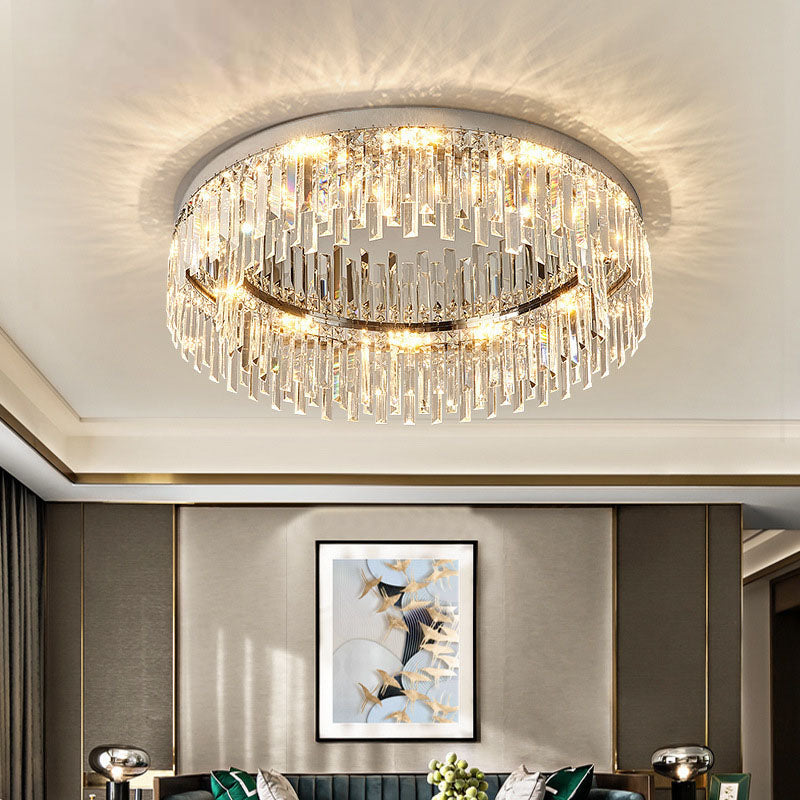
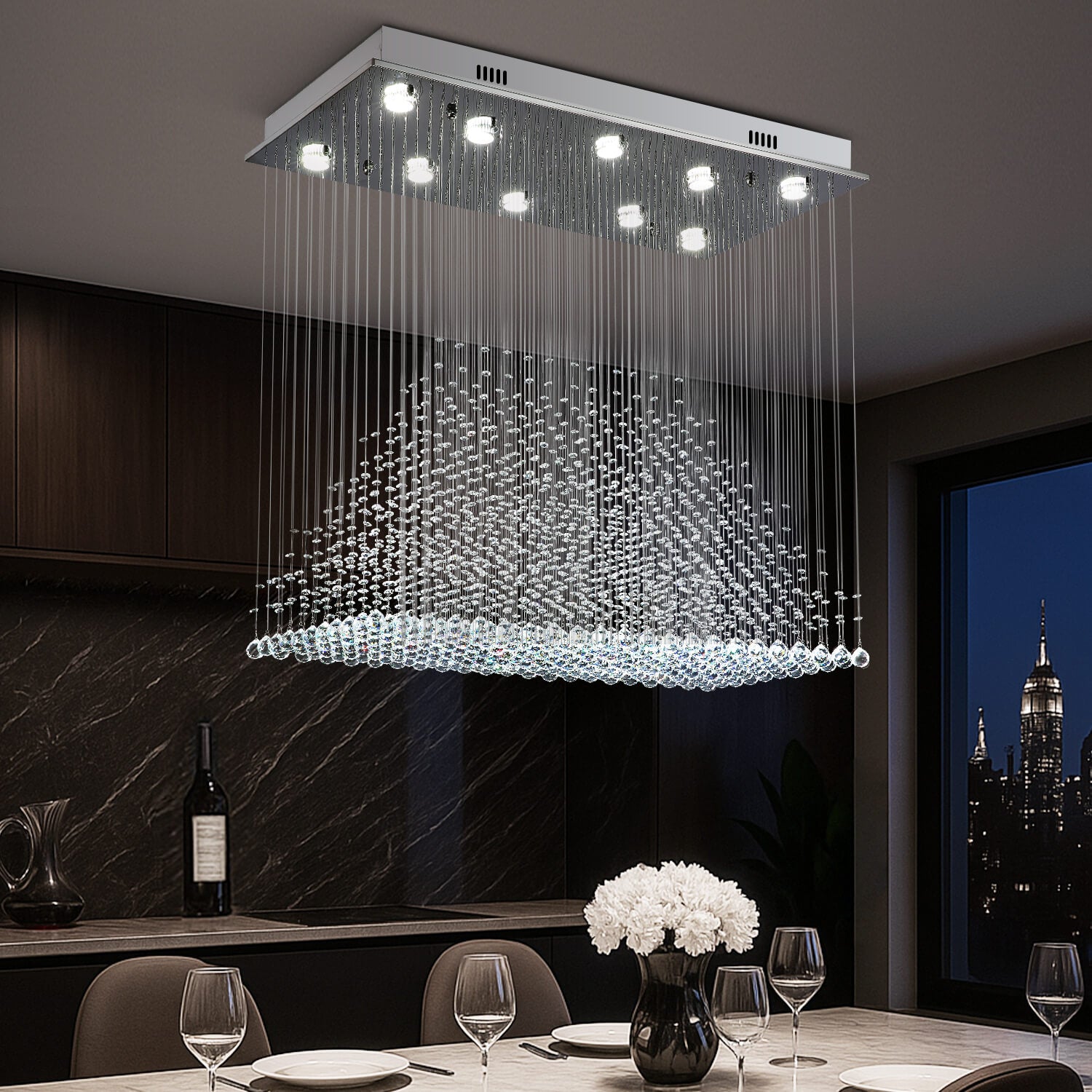
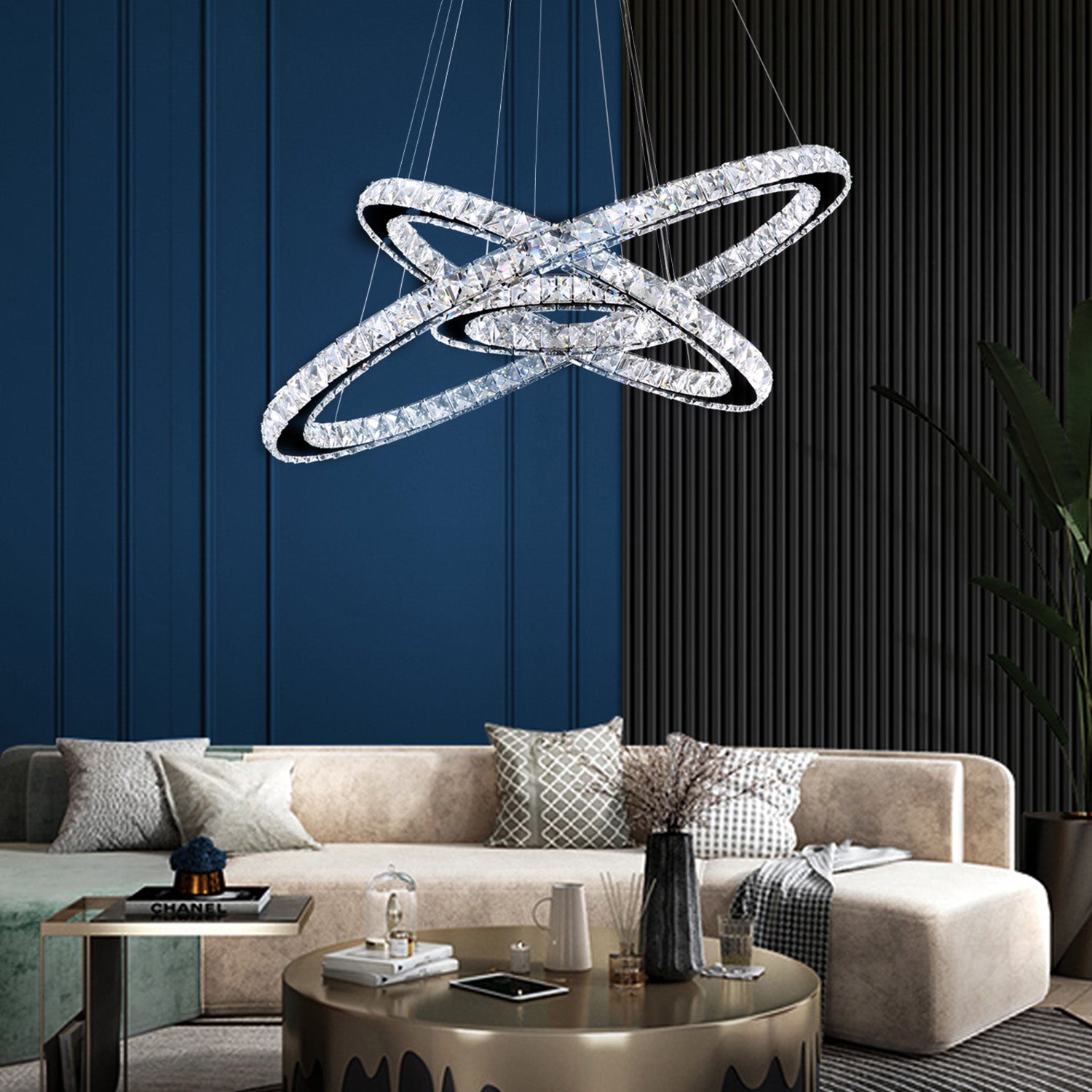
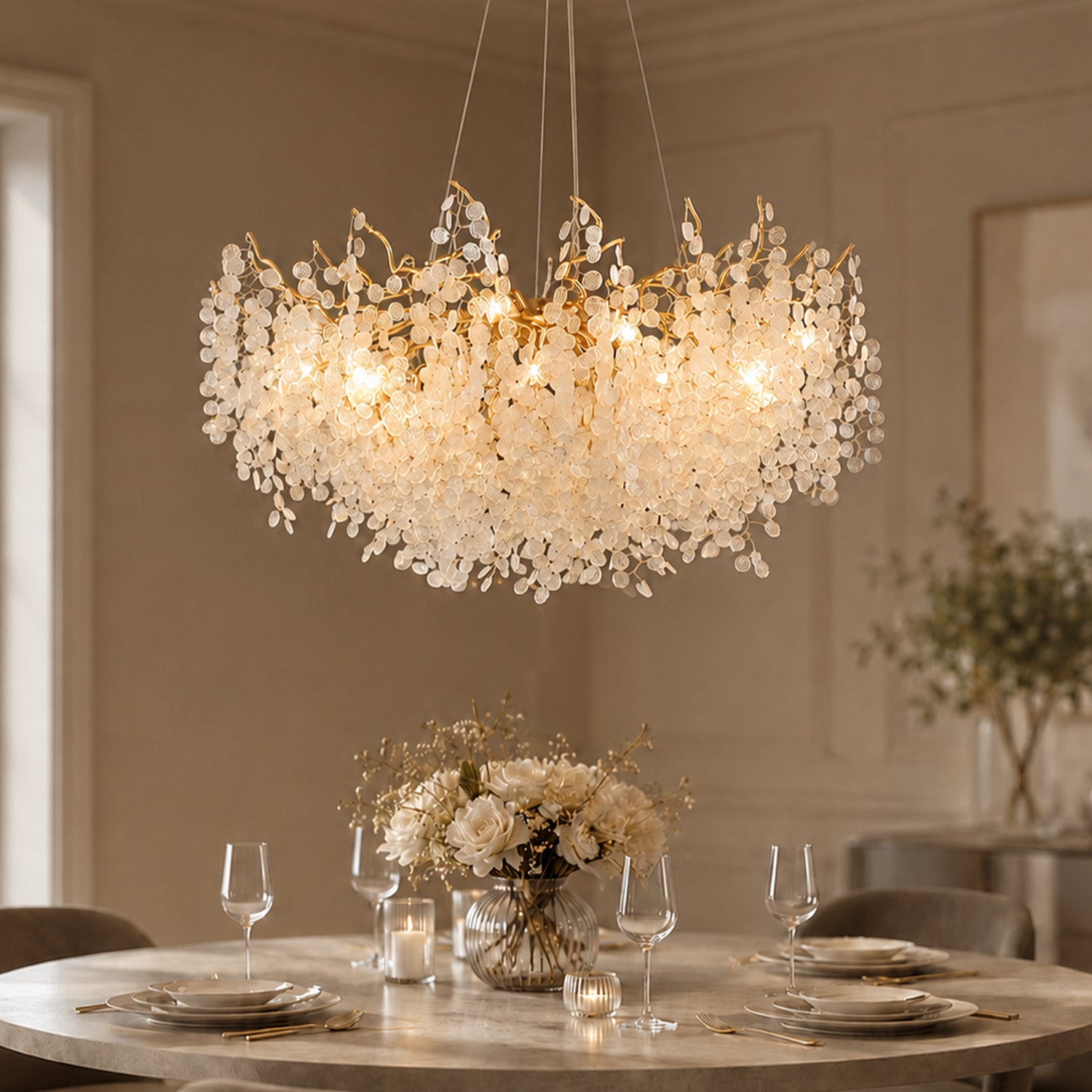
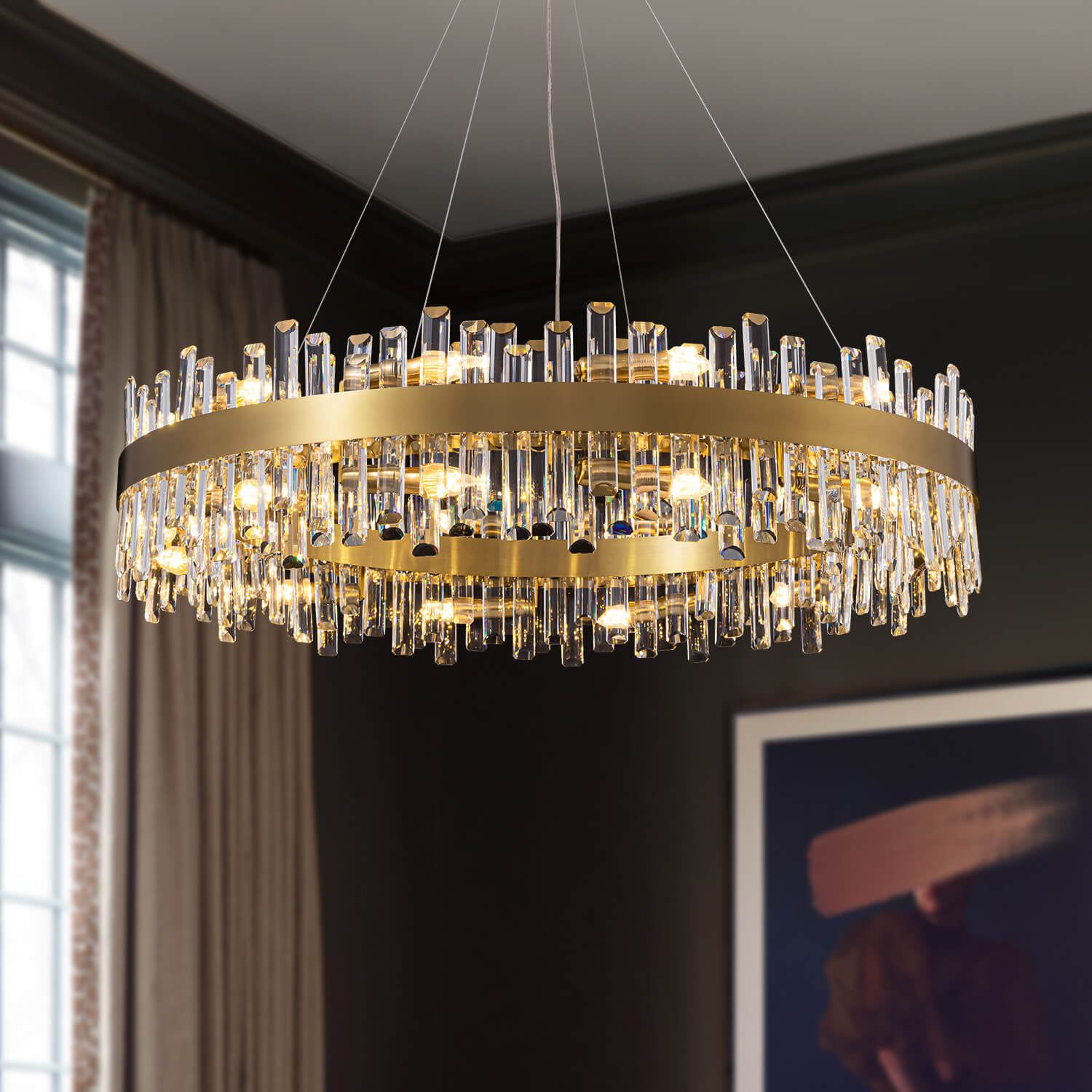
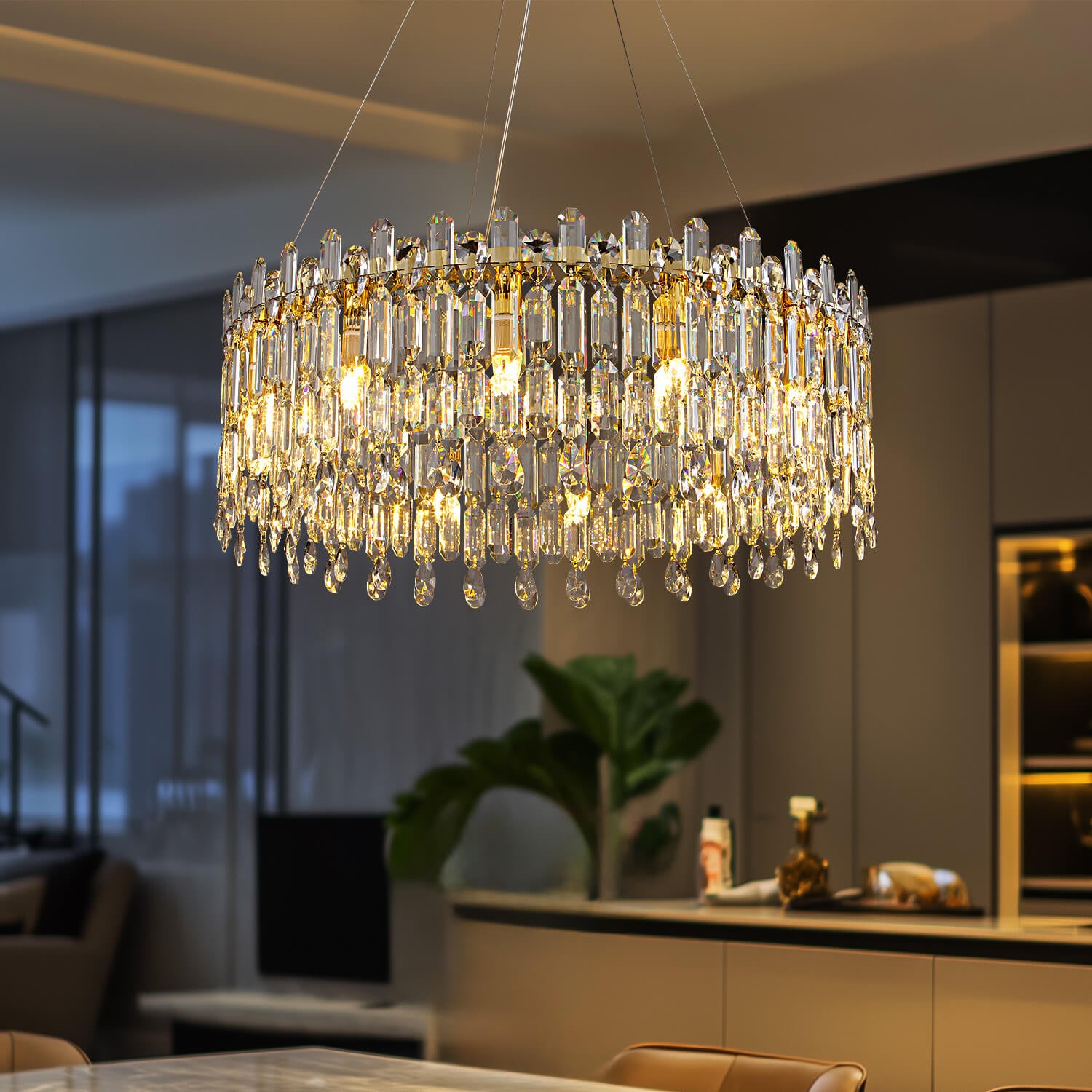
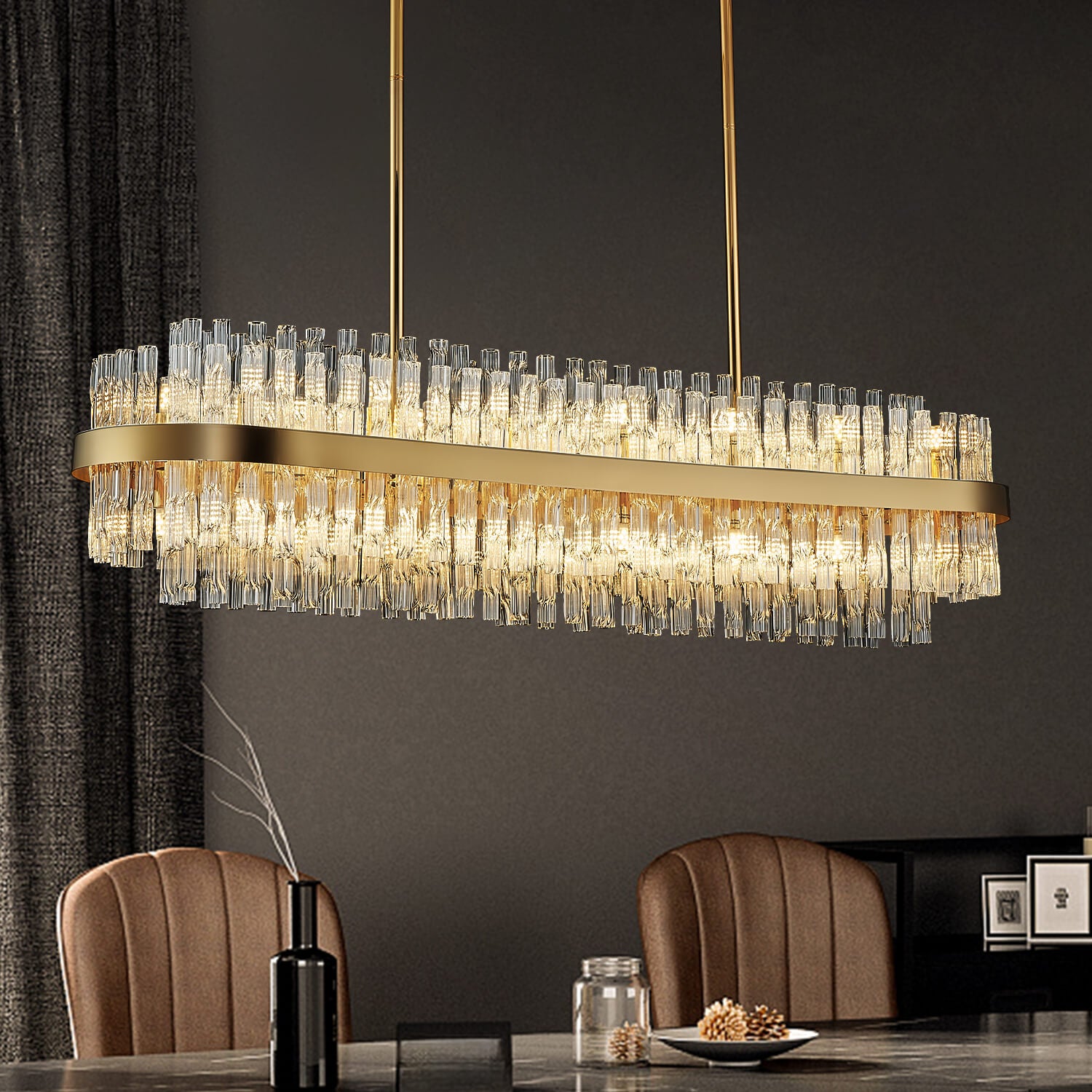





Are Crystal Chandeliers Still in Style in 2026? An Evidence-Based Trend Guide
Quick answer: Crystal chandeliers are still in style in 2026, but the most current examples rely less on traditional ornament alone and more on sculptural form, room-specific proportion, textured or watery crystal effects, and controllable light. Sofary's U.S. store data supports continued demand: from January 1 through August 25, crystal-titled products generated 16.5% more net sales in 2026 than in the same period of 2025. However, their share of total store net sales moved from 66.0% to 64.3%, so the evidence supports continued relevance—not a claim that crystal is outgrowing every other lighting category.
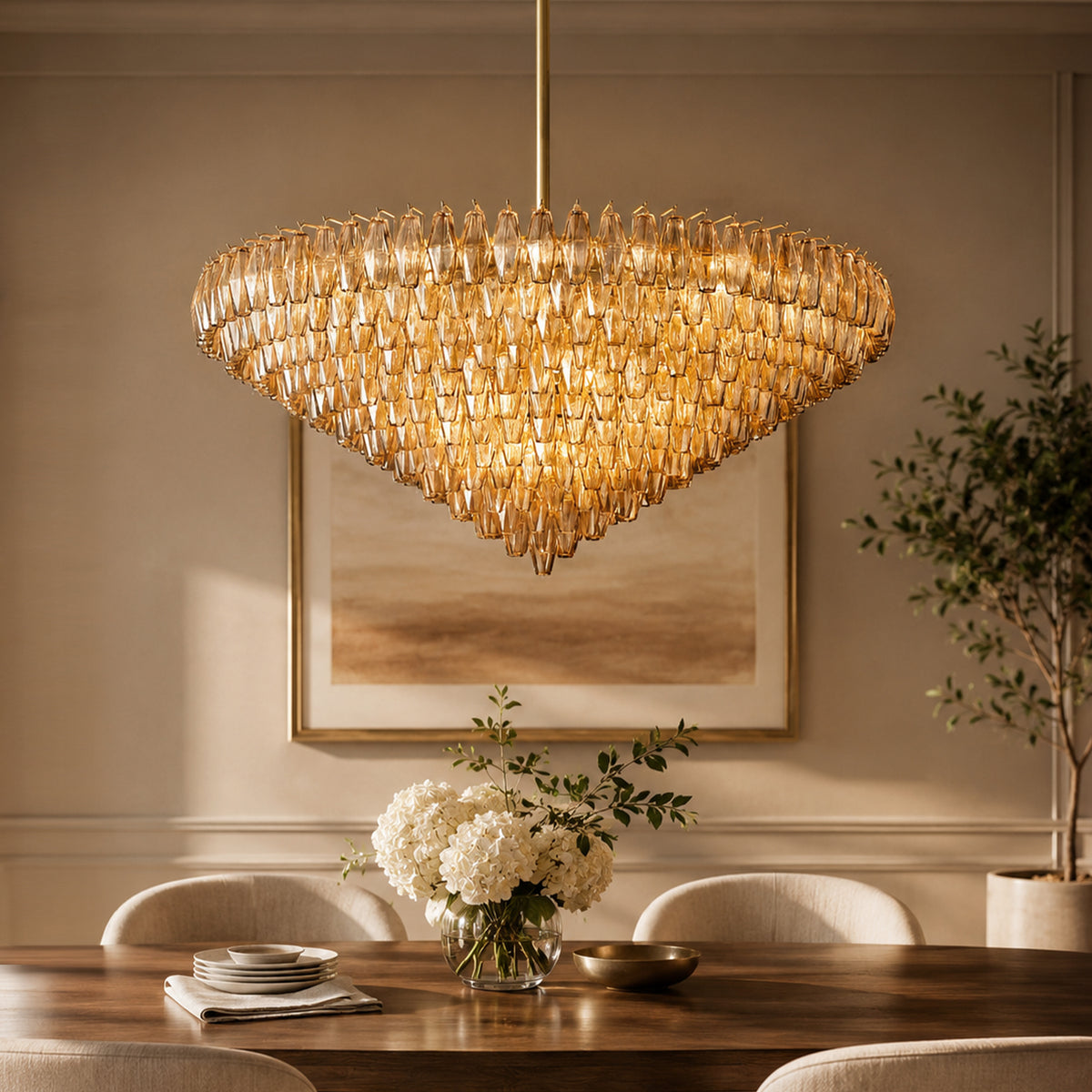
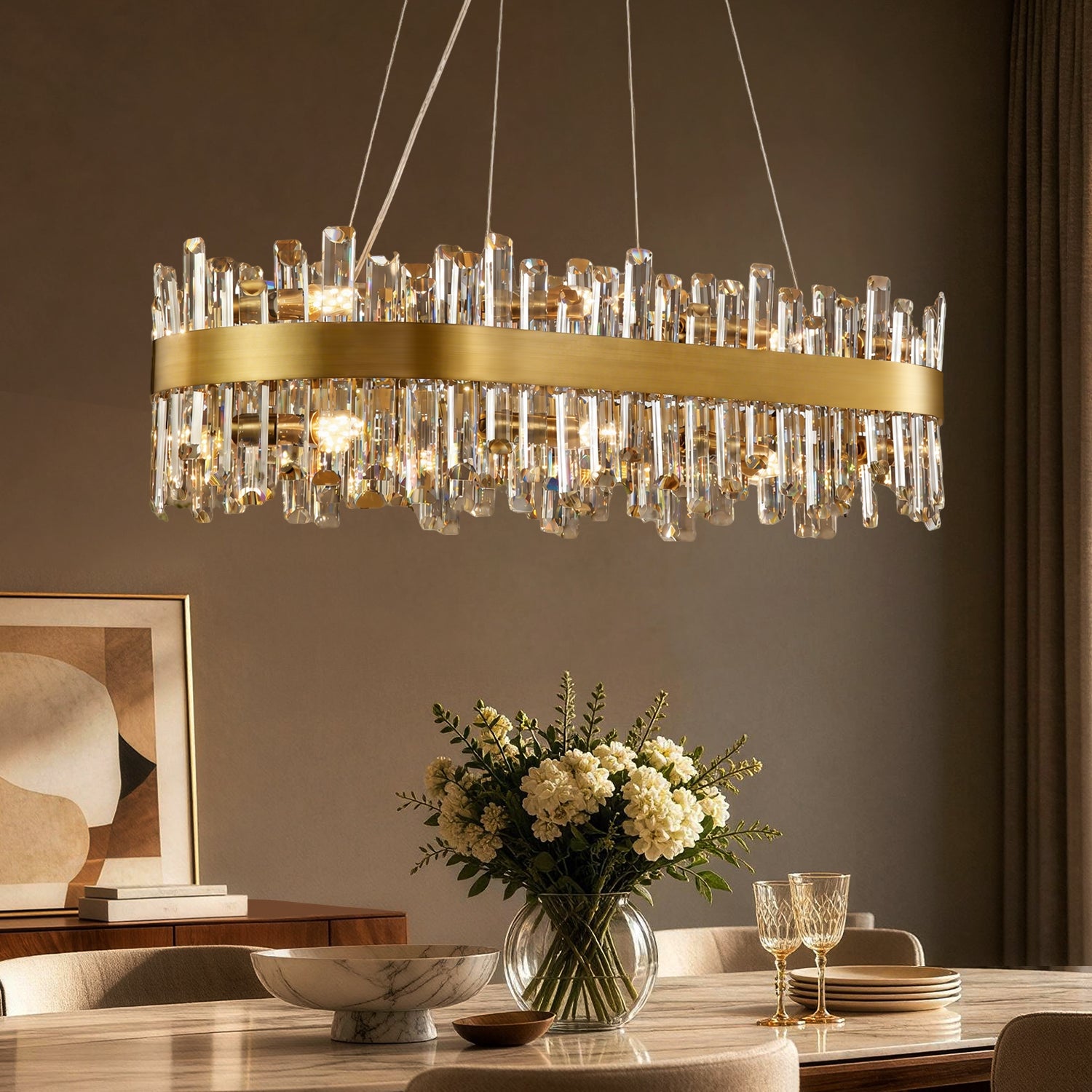
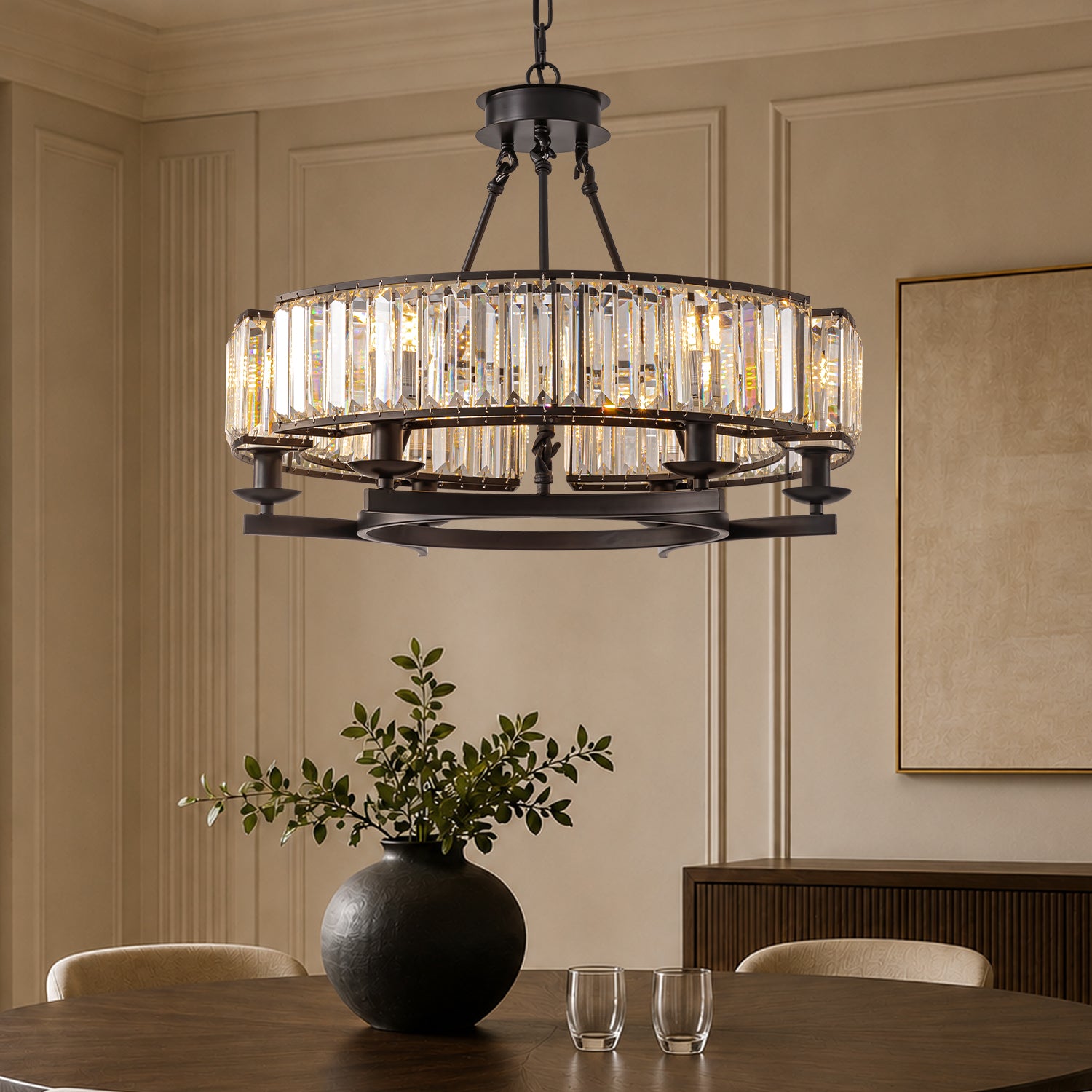
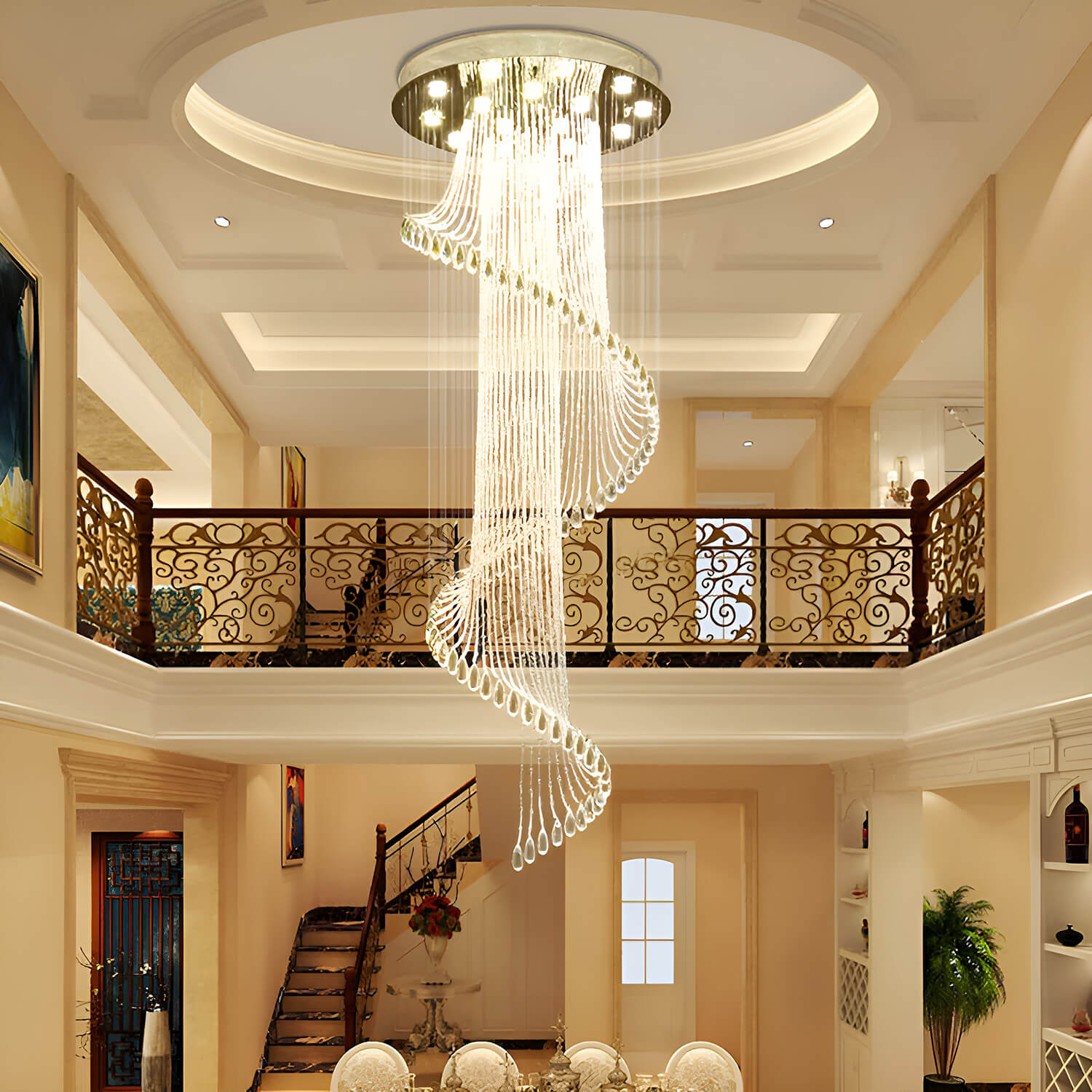
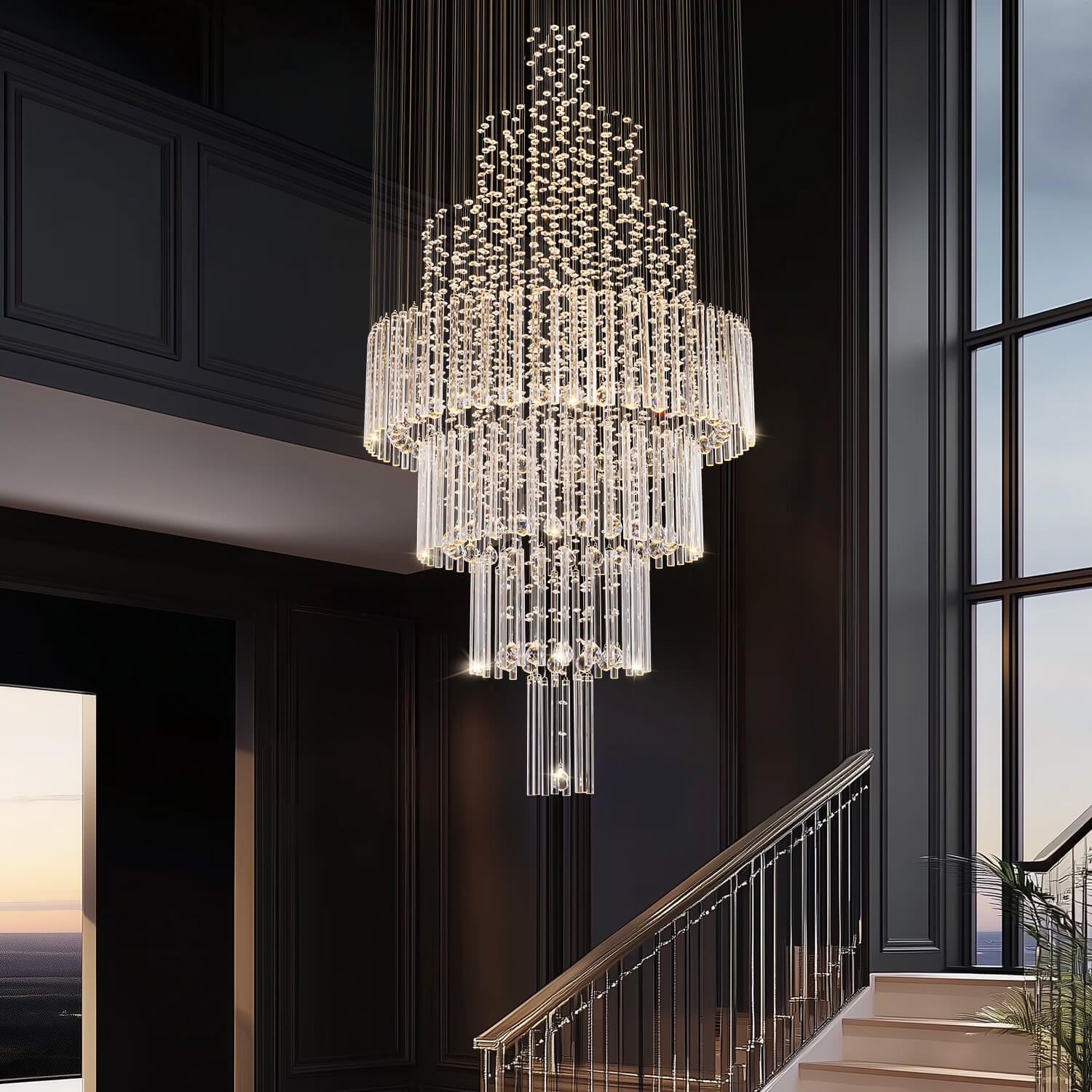
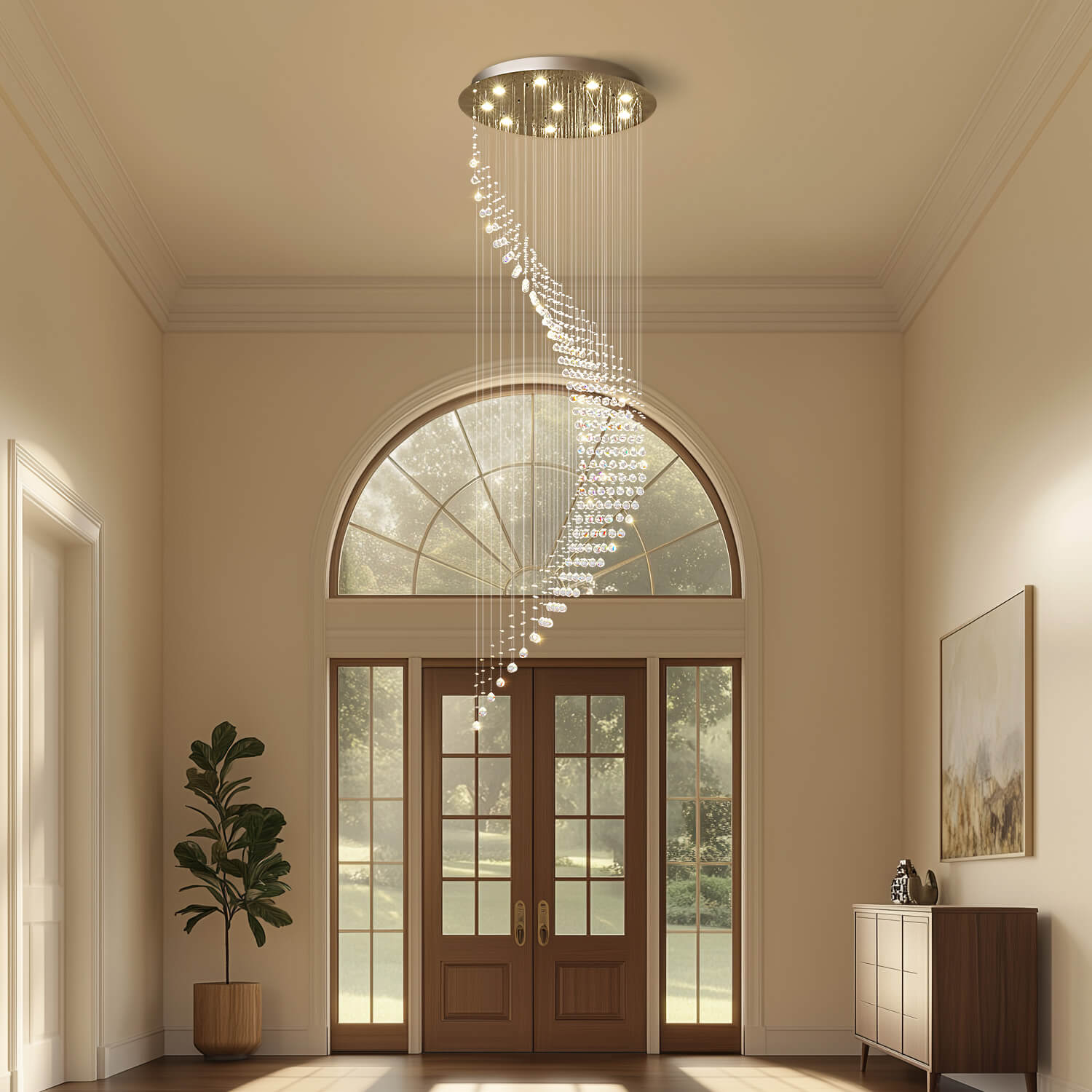
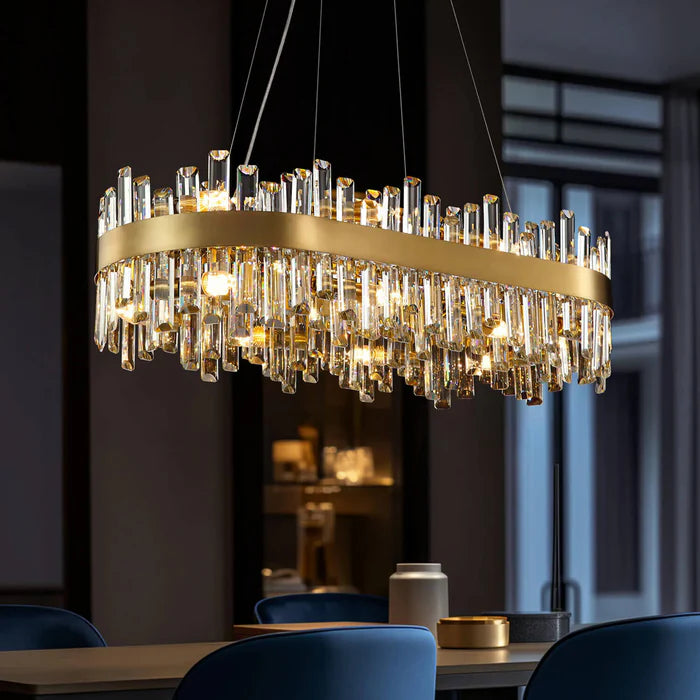
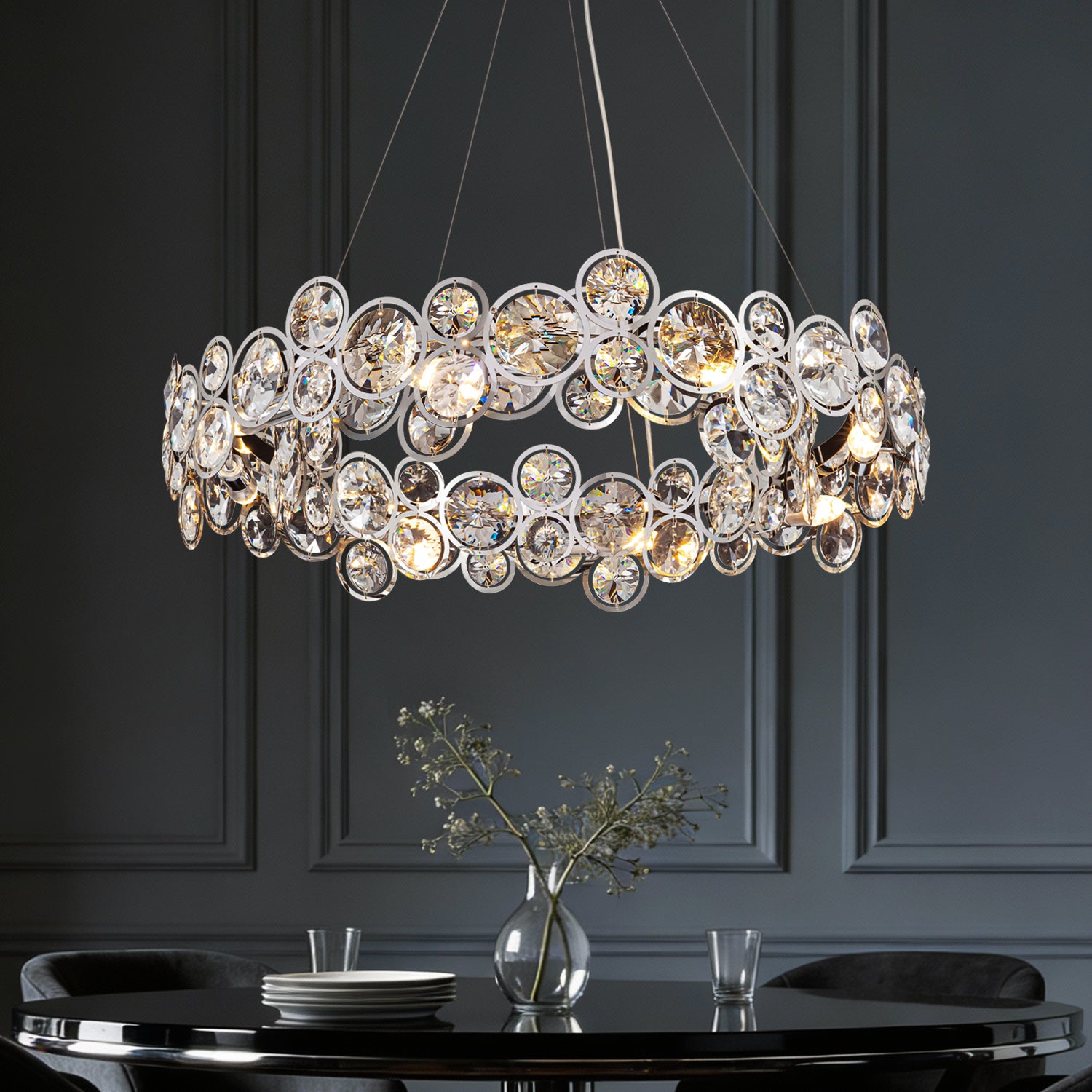
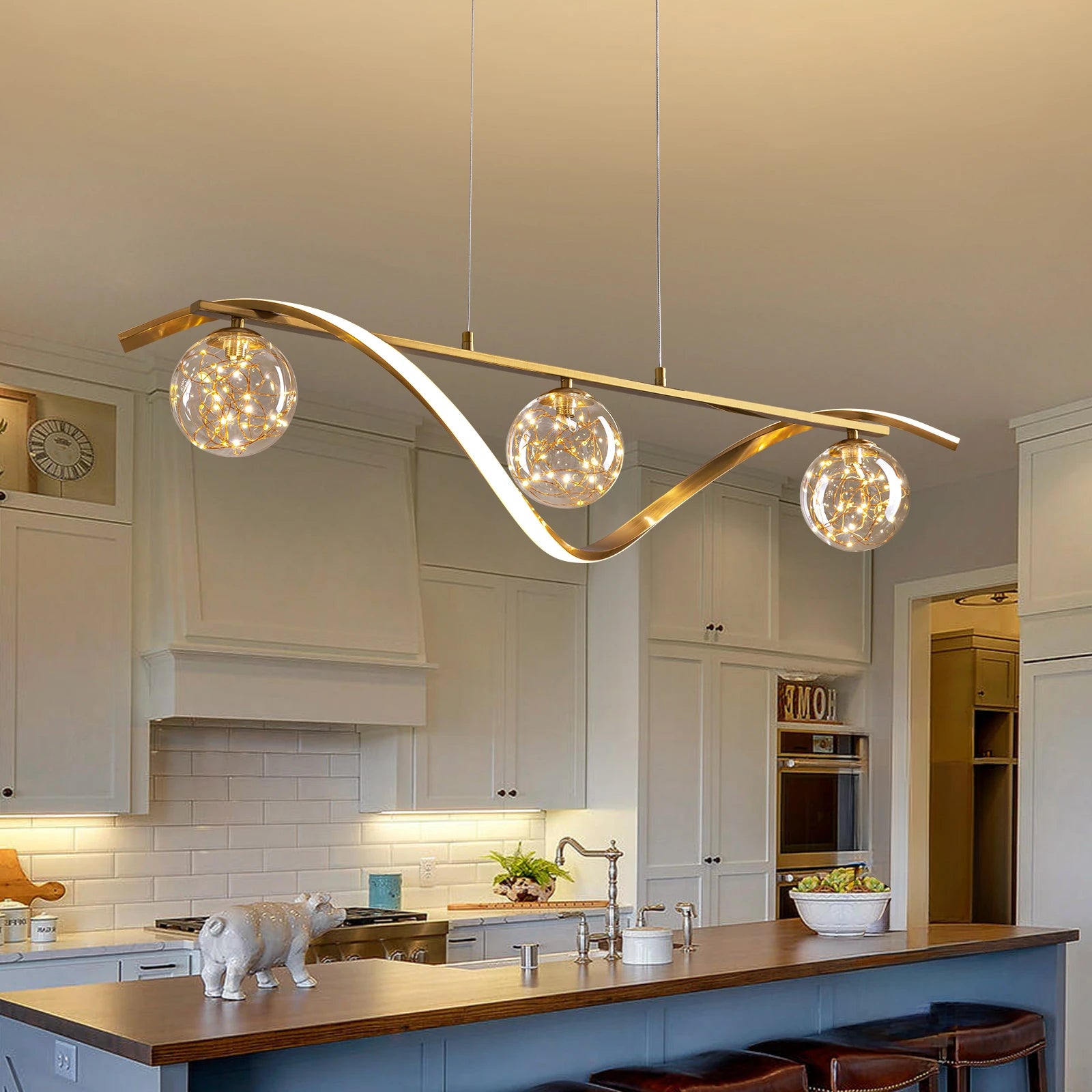
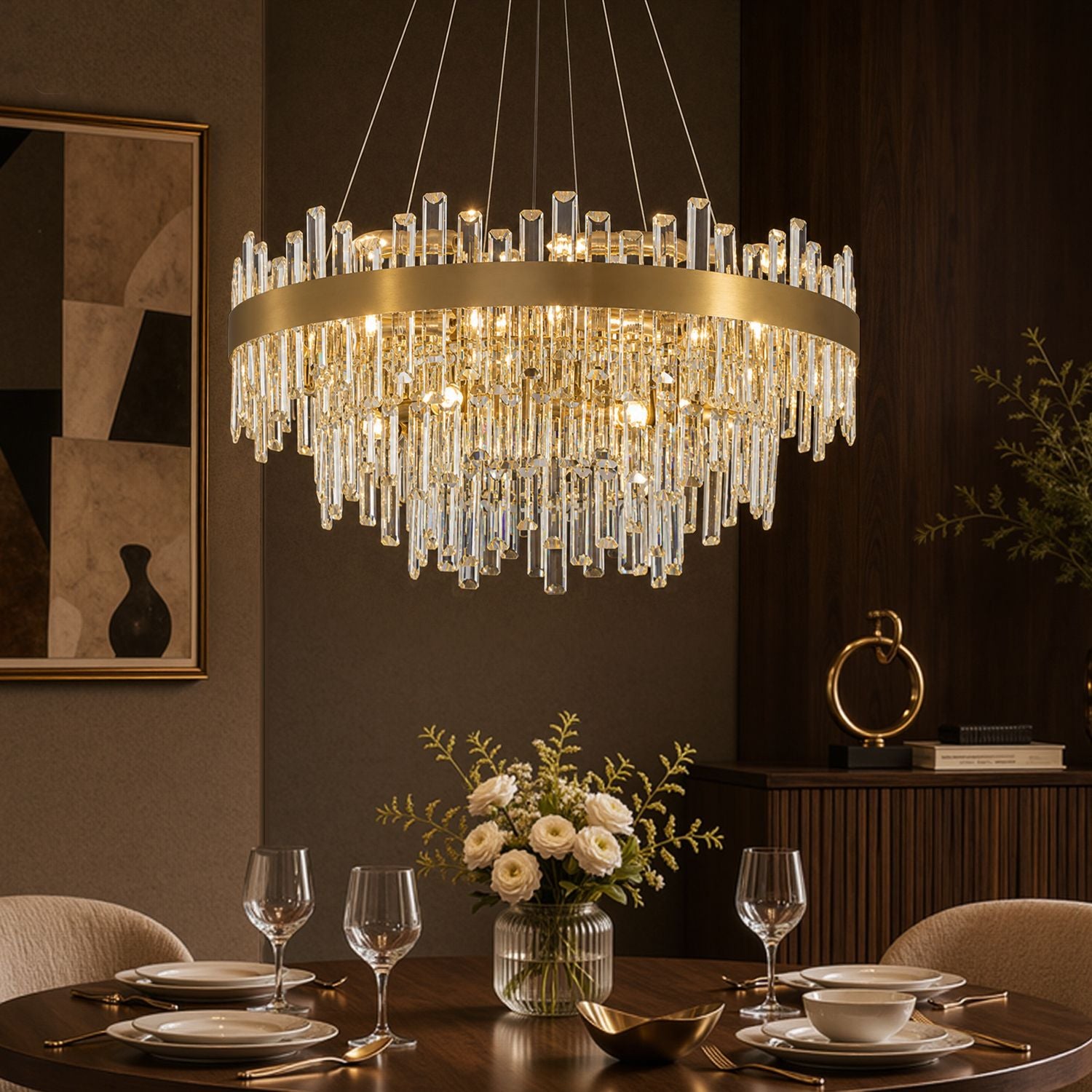
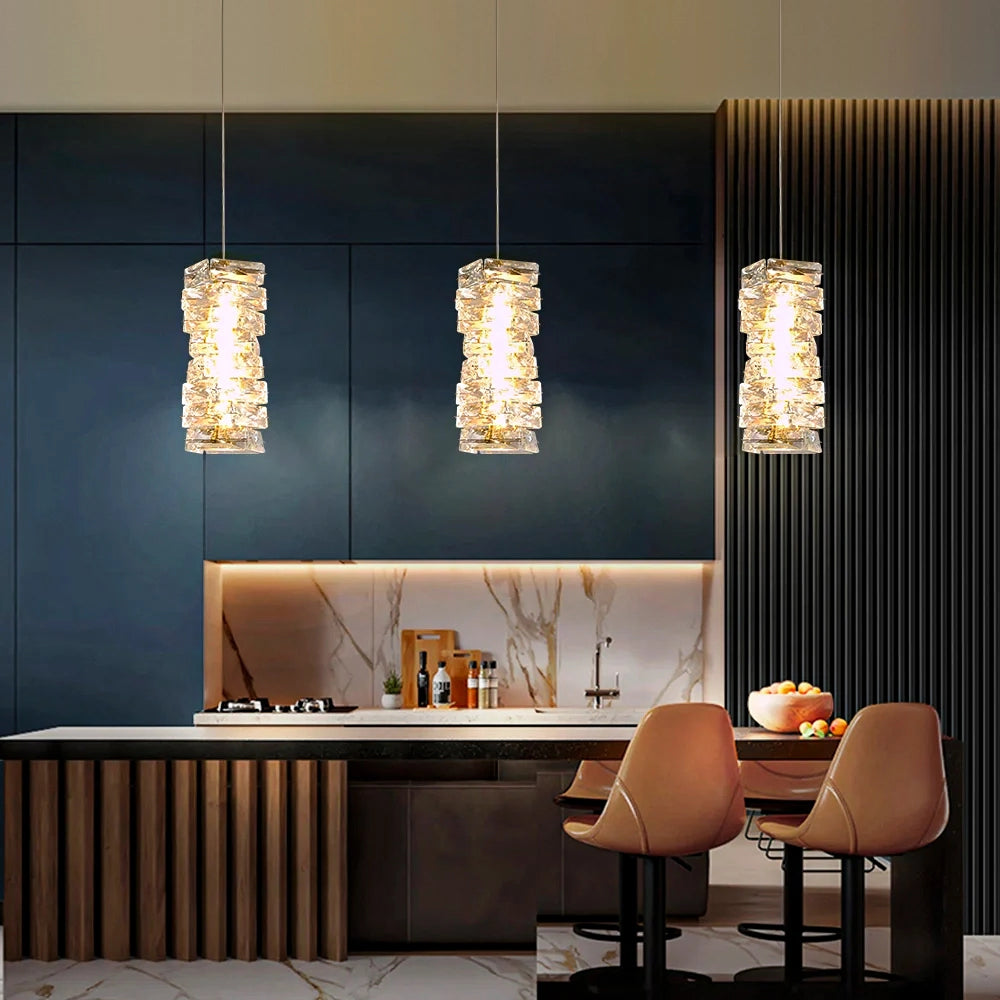
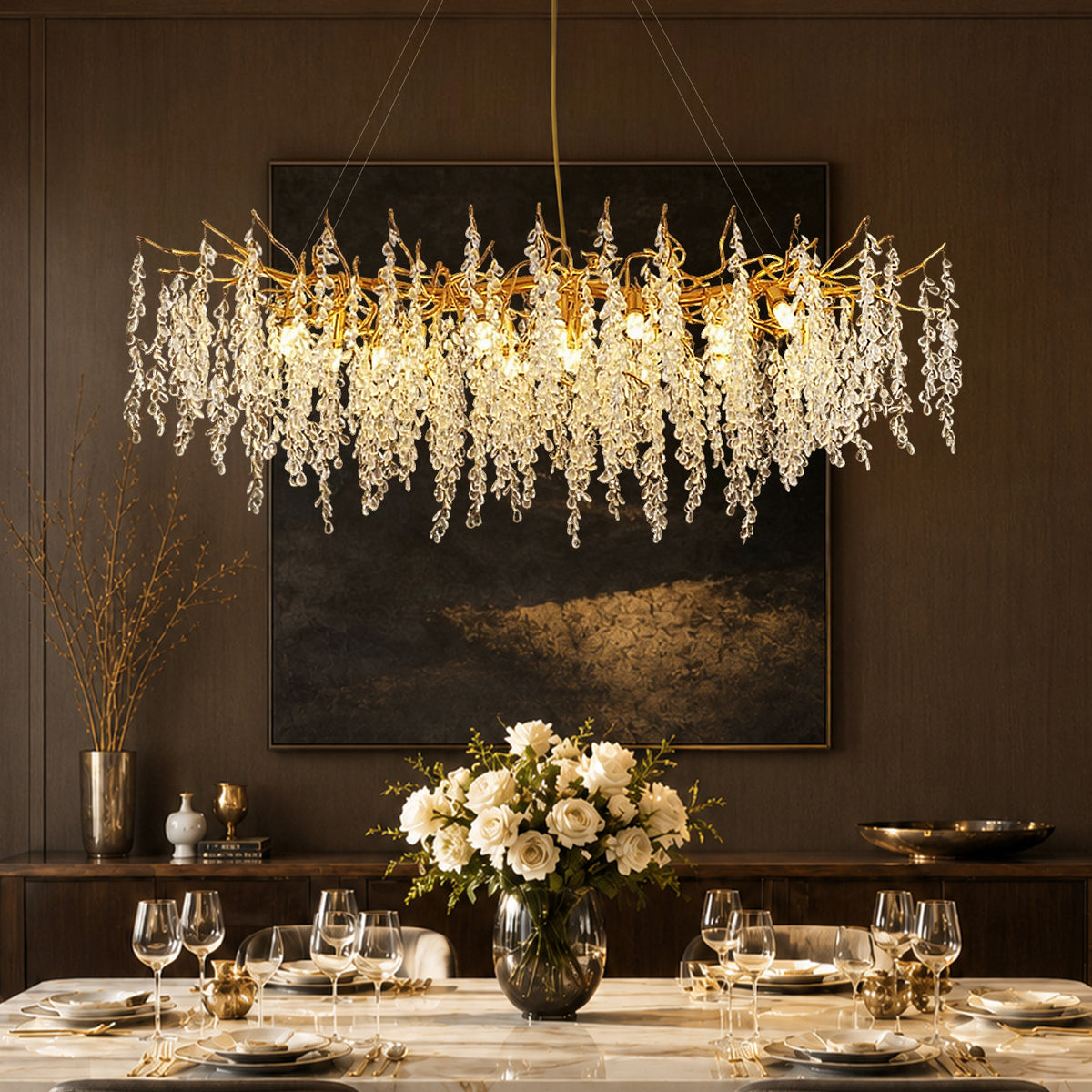
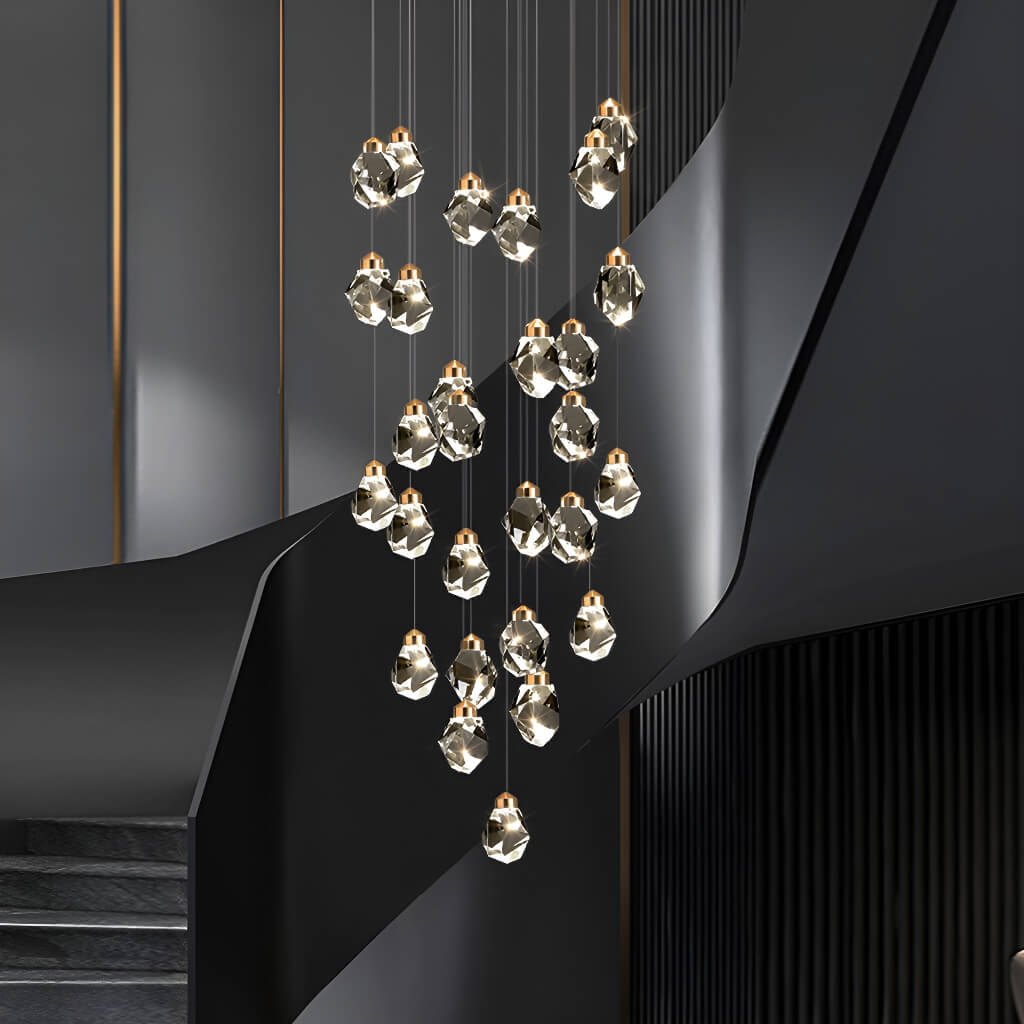
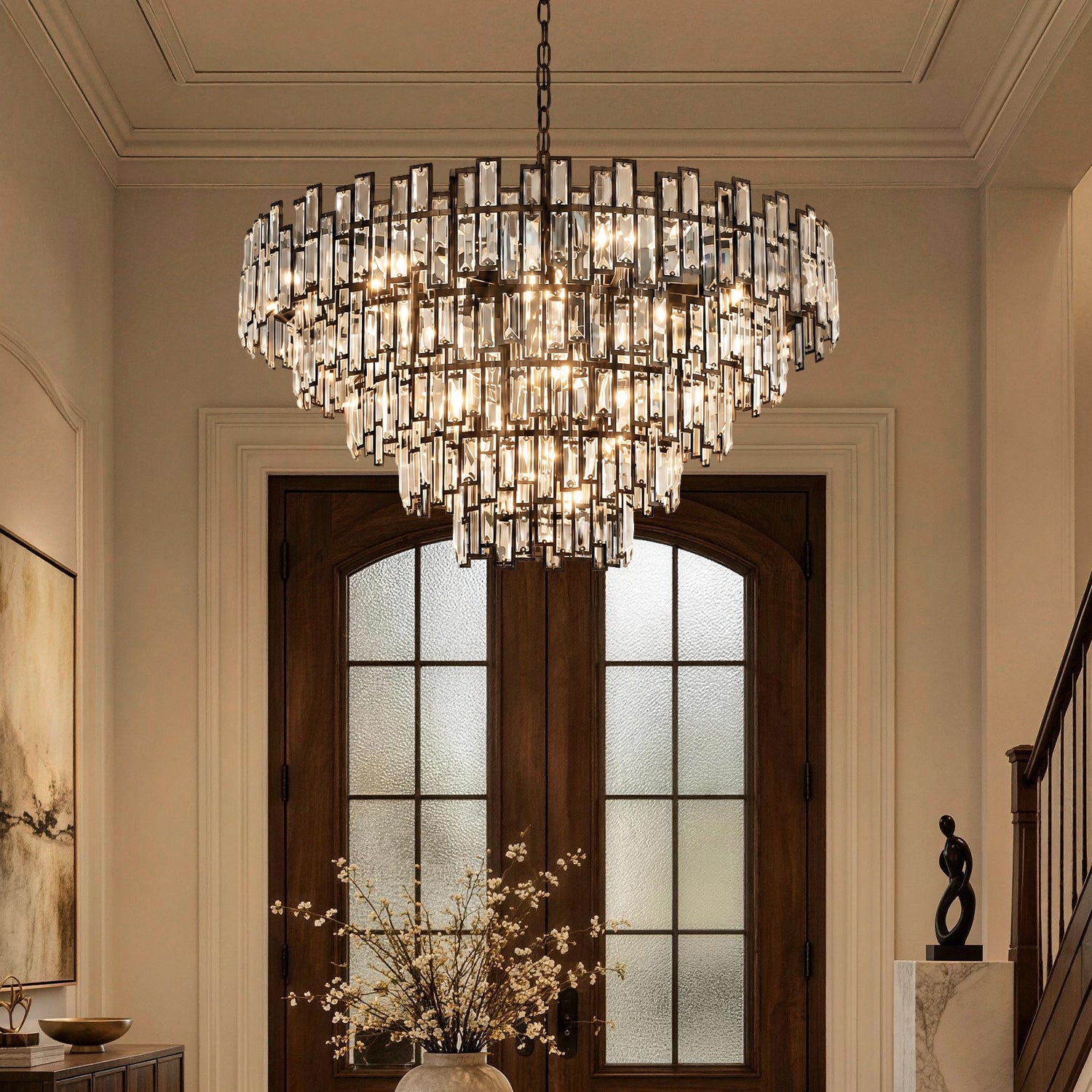
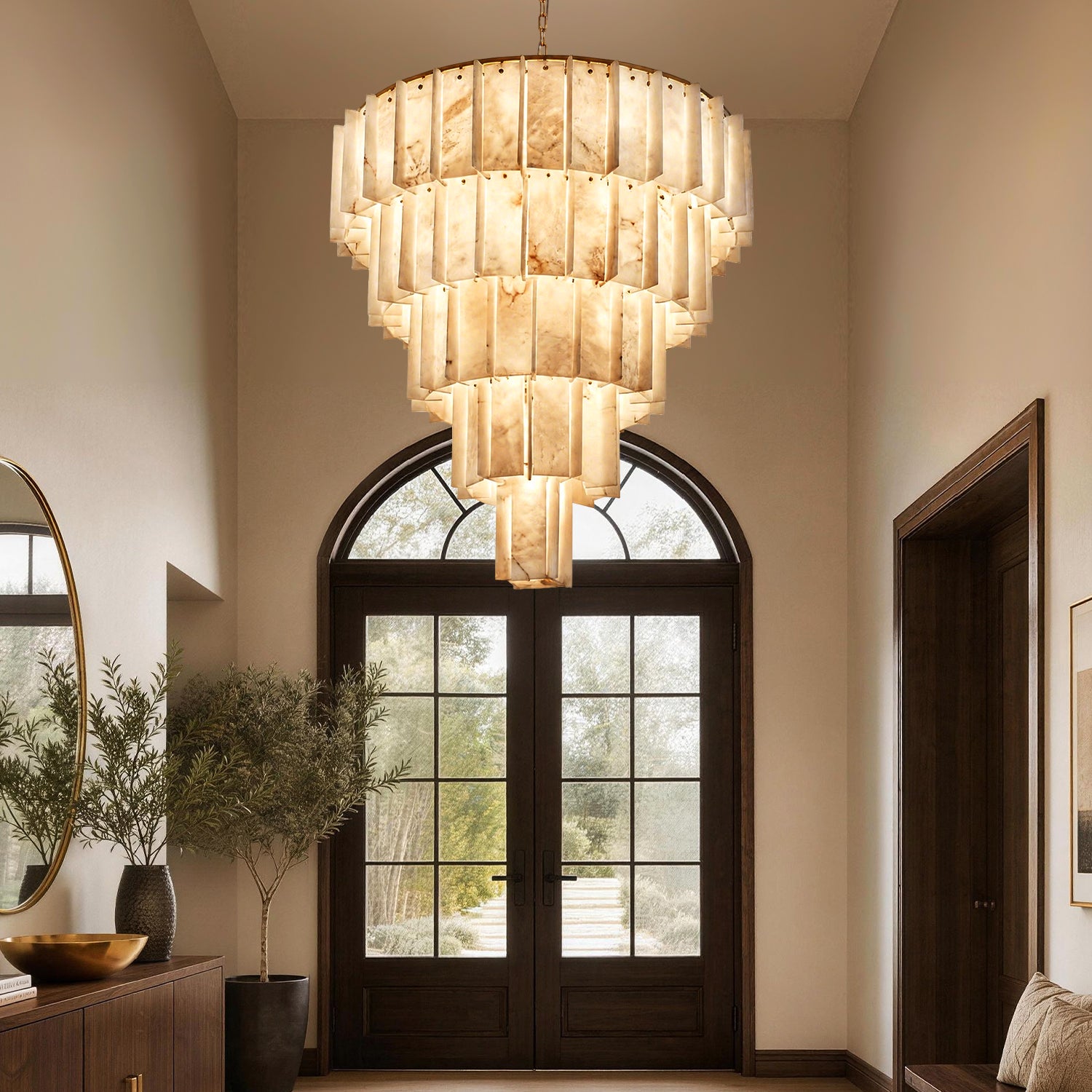
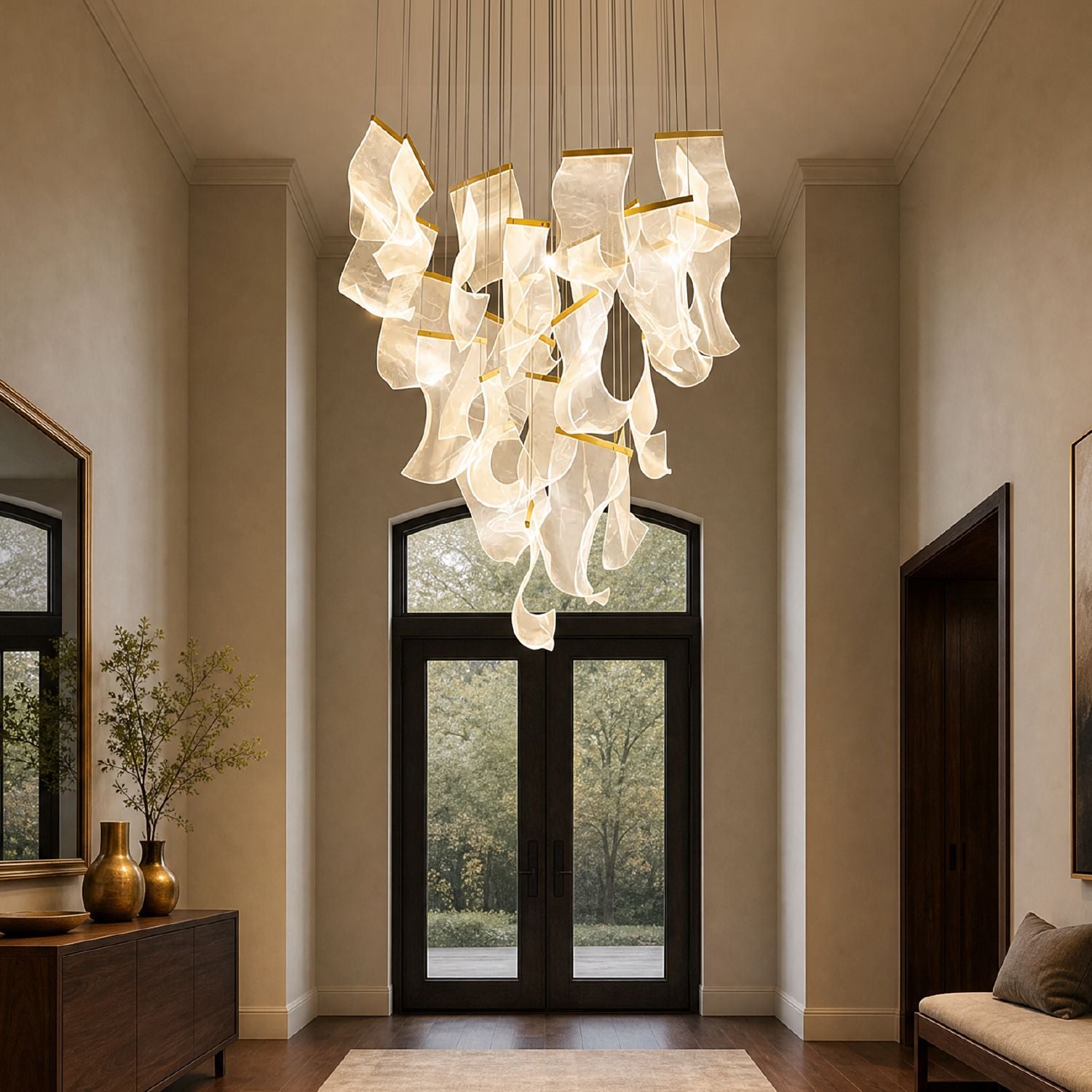
Scope and research date: This report was prepared on August 26, 2026. Sofary figures are privacy-safe aggregates from Shopify analytics for the U.S. store; no customer names, emails, addresses, order numbers, or other personal data were used. External design evidence comes from dated 2026 designer surveys and lighting-fair reporting. Generated room scenes are illustrative and do not depict a specific Sofary product or customer installation.
What the Sofary sales data shows
To make the year-over-year comparison fair, this analysis uses the same calendar window in both years: January 1 through August 25. It includes products whose order-time product title contained the word Crystal. Product titles can change, so these results describe the tagged title set captured by Shopify analytics rather than every product that may physically contain crystal.
| Metric | 2025 YTD | 2026 YTD | Change |
|---|---|---|---|
| Net items sold | 1,842 | 2,030 | +10.2% |
| Orders containing a crystal-titled product | 1,495 | 1,629 | +9.0% |
| Gross sales index | 100 | 120.2 | +20.2% |
| Net sales index | 100 | 116.5 | +16.5% |
| Share of total store net sales | 66.0% | 64.3% | -1.7 percentage points |

The balanced interpretation is important. Crystal-related net sales increased 16.5%, but total store net sales grew faster, at 19.5%. Crystal therefore remained a major title-defined material signal while becoming slightly less dominant within a broader and more varied assortment. To protect commercially sensitive information, monetary sales values are shown as an index with 2025 set to 100; non-monetary counts and percentages are shown as actual aggregate figures.
What the data does—and does not—prove
The results show that customers continued to purchase crystal-titled products at substantial volume. They do not prove that every crystal style is growing, that Sofary represents the entire U.S. lighting market, or that one finish or silhouette will suit every room.
- Published store evidence: Actual aggregate counts are shown for net items and qualifying orders. Gross and net sales are presented as year-over-year indices, and the total-store share is shown as a percentage. Monetary totals are not disclosed.
- Title-based directional analysis: Shape and finish groups are inferred from words such as ring, linear, tiered, gold, or black in product titles.
- External context: Designer surveys and fair reports help explain why some forms feel current, but they do not validate Sofary sales numbers.
- Not measured here: Search volume, product-page conversion rate, returns by style, customer room photos, and laboratory light performance.
Five signals shaping crystal chandeliers in 2026
1. Crystal remains relevant, but the silhouette is doing more work
The strongest conclusion is not that an old style has simply returned. Instead, crystal is being used inside more sculptural compositions. At ICFF 2026, Houzz observed stacked forms, emphasized frames and modular repetition; its Maison & Objet coverage also highlighted sculptural lighting, linear looks and jewelry-inspired fixtures. Those observations help explain why contemporary crystal can feel current without abandoning sparkle or craftsmanship. See Houzz's reports on ICFF 2026 lighting and Maison & Objet 2026.
2. Tiered and organic forms are growing from smaller bases
In a mutually exclusive title-keyword classification, the tiered/layered group increased 57.1% in net sales, while the smaller organic/branch group increased 66.4%. These are directional signals, not market-share claims: the groups represented only 7.3% and 2.6% of 2026 crystal net sales, respectively, and product renaming can move an item between groups.
This direction is consistent with wider design evidence. The 1stDibs 2026 designer survey reported continued interest in curvy and irregular forms, while Houzz's fair coverage identified abstract nature, stacked forms and jewelry-like lighting as visible design directions. The useful buyer takeaway is not “buy the fastest-growing shape”; it is to look for a form that creates rhythm and movement without overwhelming the room.
3. Ring, linear and cascading crystal now solve different spatial jobs
Sofary's title-based groups show that no single contemporary silhouette replaced the others. In 2026, ring/round products represented approximately 17.5% of crystal net sales, linear/rectangular products 17.9%, and vertical/cascading products 28.1%. Their year-over-year net-sales changes were +23.8%, +3.5%, and +5.2%, respectively.


- Sculptural rings: Best considered when a room needs a broad focal point with visual openness.
- Linear crystal: Works naturally with rectangular dining tables and kitchen islands because the fixture can follow the furniture's axis.
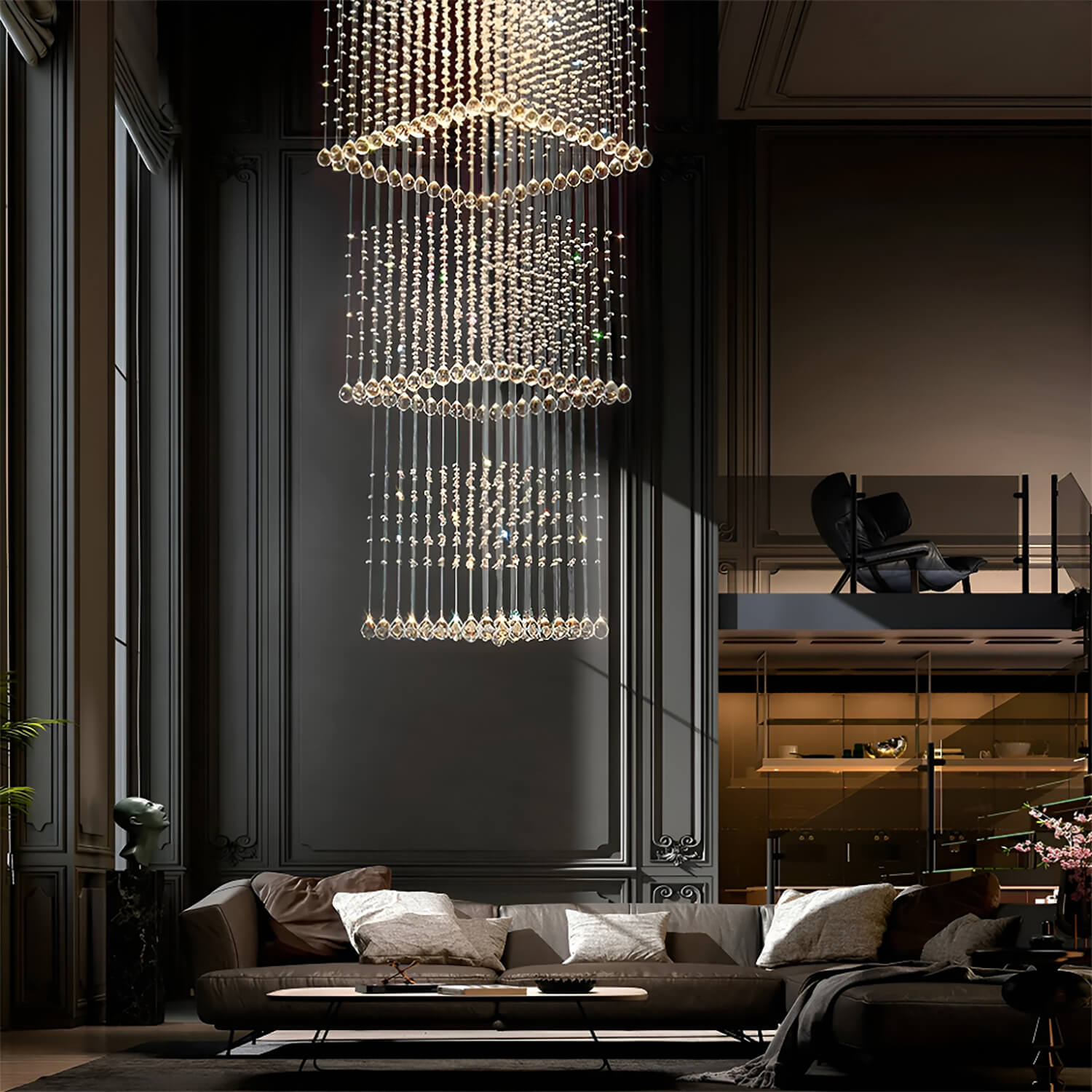
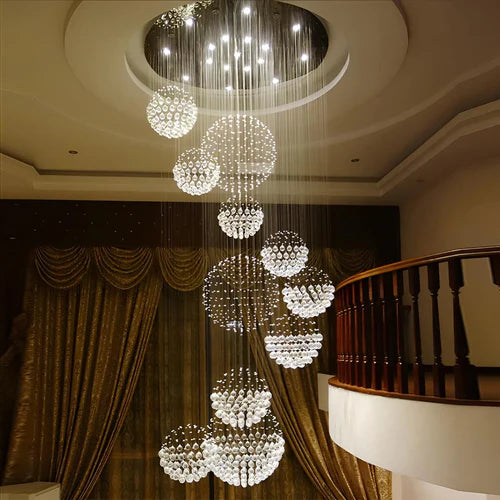
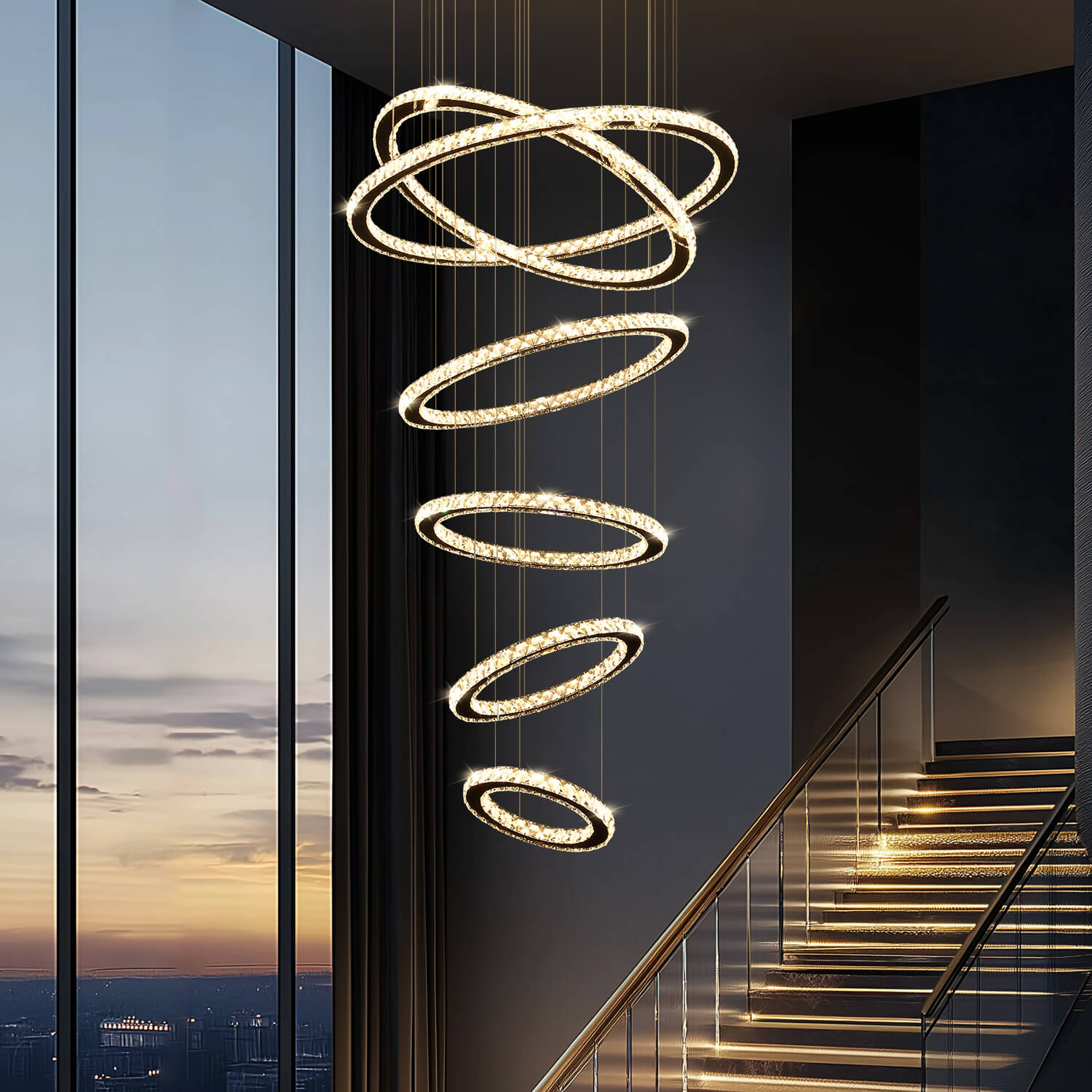
- Waterfall or spiral drops: Use vertical volume in foyers, staircases and double-height rooms where a shallow fixture may look underscaled.
Choose among these forms by room geometry, not by trend status alone. Sofary's dining-table chandelier size guide explains how table length, fixture width and hanging clearance should be checked separately.
4. Watery crystal and textured glass make sparkle feel less formal
Houzz's High Point Market report identified watery glass—surfaces suggesting raindrops, melting ice or flowing water—as a notable 2026 direction. This matters for crystal chandeliers because it shifts the visual effect away from uniform faceted prisms and toward irregularity, texture and movement. The result can work in modern and organic interiors without requiring a traditional ballroom silhouette. See the report on 2026 lighting trends from High Point Market.
Sofary examples that illustrate this design language include the Luxury Wave Crystal Linear Chandelier and the K9 Crystal Waterfall Chandelier for high ceilings. These links illustrate form, not independent proof of a market trend.
5. Finish preference is diversifying, but title data is incomplete
Among products whose titles explicitly named a finish, gold/brass crystal net sales increased 56.4% and black crystal net sales increased 152.3% year over year, while chrome/silver/nickel decreased 17.5%. Black grew from a much smaller base, and 56.4% of 2026 crystal net sales came from titles that did not clearly name a finish. Therefore, these figures should be treated as merchandising signals, not a complete customer color-preference study.
The external picture is similarly mixed rather than one-directional. The 1stDibs 2025 marketplace report recorded a revival of Art Deco chandelier interest, while its 2026 designer survey pointed to ornate Murano-glass pendants and persistent maximalist and eclectic aesthetics. Crystal can therefore look current in gold, black, chrome or mixed finishes when the finish connects with the room's hardware, furniture and architectural tone. See the 1stDibs 2025 marketplace report and 2026 designer survey.
What makes a crystal chandelier look current rather than dated?
| More likely to feel current | More likely to feel mismatched |
|---|---|
| A silhouette that follows the room or table geometry | A dramatic fixture selected without checking scale or sightlines |
| Clear hierarchy: one main shape and controlled crystal detail | Multiple unrelated decorative motifs competing for attention |
| Warm, dimmable or otherwise clearly specified lighting | Color temperature and dimming selected only after installation |
| Finish coordinated with nearby hardware and furniture | A finish chosen because it is described as trendy |
| Accessible cleaning, bulb or driver service plan | A high installation with no maintenance strategy |
How to choose a crystal chandelier that will outlast the trend
Start with fit, not style labels
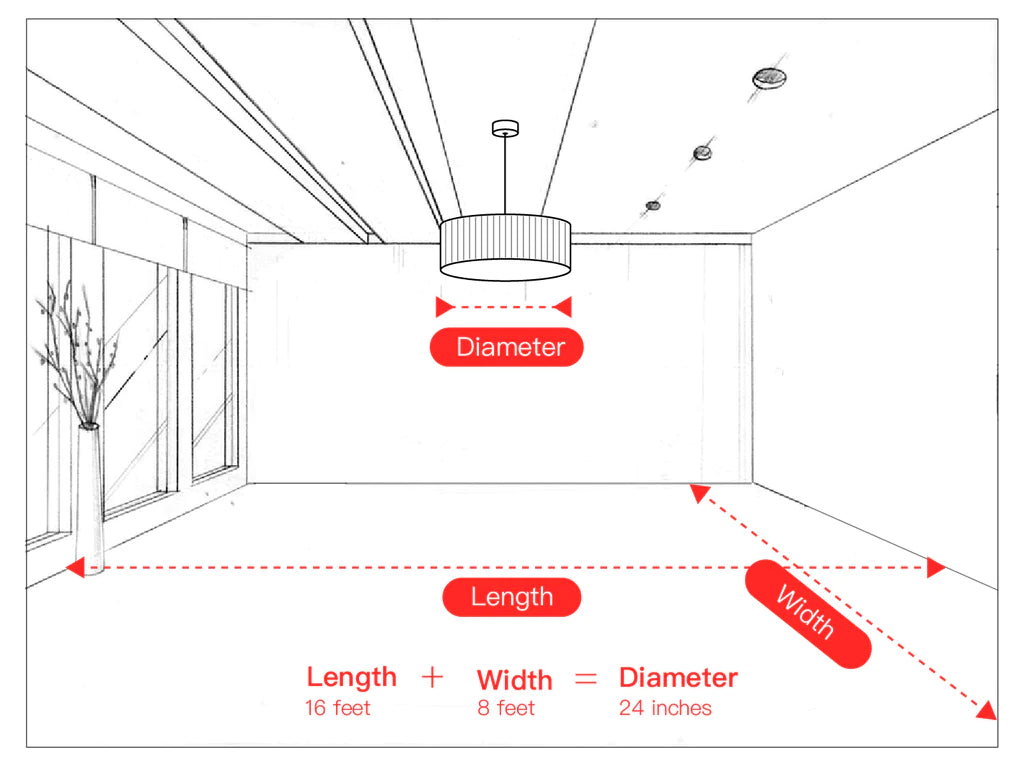
Measure the room, table and available drop before comparing decorative details. A linear fixture that is too short or a waterfall fixture that hangs into a sightline will not become a better purchase because its shape is fashionable.
Check the lighting system separately
Confirm lumens when published, bulb base or integrated LED, color temperature, CRI, and the exact dimming method. “Three-color” switching does not automatically mean brightness dimming. Use Sofary's dining-room chandelier lighting guide to separate these specifications.
Compare the complete purchase
Fixture price is only one part of the cost. Bulbs, a compatible dimmer, ceiling support, professional installation and future access can materially change the complete purchase. The 2026 chandelier budget guide provides a more complete comparison framework.
Evaluate the evidence behind the product page
Look for material, dimensions, weight, suspension length, light-source information, ceiling compatibility, warranty, returns and replacement support. Sofary's fact-based chandelier brand guide explains how to compare these fields without assuming that price or brand name proves quality.

Frequently asked questions
Are crystal chandeliers outdated in 2026?
No. Sofary's year-to-date crystal net sales increased 16.5% compared with the same 2025 period, and external design reporting continues to feature sculptural, watery, stacked and jewelry-inspired lighting. Traditional crystal forms may still suit classical rooms, while rings, linear designs and cascading compositions offer more contemporary interpretations.
What crystal chandelier styles look most modern?
Sculptural rings, restrained linear fixtures, organic branch forms, irregular watery crystal and vertical waterfall compositions can all look modern. The room's scale, furniture geometry and lighting performance matter more than the shape name alone.
Are gold crystal chandeliers still in style?
Gold and brass remain viable, especially in warm, layered interiors. Sofary's title-defined gold/brass group grew in 2026, but more than half of crystal net sales came from product titles without a named finish, so the data does not prove that gold is the universal favorite.
Are black crystal chandeliers becoming more popular?
Sofary's title-defined black crystal group grew rapidly from a smaller base. This is a useful directional signal, but product naming and a limited starting base prevent it from proving a market-wide preference.
Should I choose a linear or round crystal chandelier for a dining room?
Start with the table. Linear chandeliers usually align naturally with long rectangular tables, while round or ring fixtures often suit round and square tables. Confirm fixture width, table clearance and hanging height before choosing.
Will a crystal chandelier provide enough light?
Crystal material and fixture size do not determine brightness. Check lamp or fixture lumens, bulb count, wattage limits, color temperature, CRI, optics and other lighting layers in the room.
What is the safest timeless choice?
A well-proportioned chandelier with a clear silhouette, serviceable lighting system, coordinated finish and verified specifications is more likely to last than a fixture chosen solely for a trend label.
Methodology and sources
Sofary data was retrieved from privacy-safe Shopify analytics aggregates on August 26, 2026. The primary query compared products whose order-time title contained “Crystal” from January 1 through August 25 in 2025 and 2026. Store totals were retrieved for the same windows. Shape and finish observations were produced by mutually exclusive title-keyword groups; they are sensitive to title wording, title changes and products whose titles omit a material, finish or form.
External context was reviewed from the 1stDibs 2026 designer survey, the 1stDibs 2025 marketplace trend report, Houzz's 2026 reporting from ICFF, High Point Market and Maison & Objet, plus Kichler's 2026 lighting overview. These sources provide design context; they are not combined into a market-size estimate.
More Blogs
What Should You Take into Consideration When Buying a Chandelier?How to Find the Best Staircase Chandelier for Your HomeHow to Pick the Perfect Chandelier Ceiling Fan for Your Living RoomHow to Choose Matching Lamps with Chandeliers ?How to Choose the Right Light Bulbs for Your HomeHow to install crystal chandeliers | Sofary LightingThe Lighting Guide: How to Light Your FoyerChandelier Ideas: A Guide to Choosing the Right Crystal ChandeliersYour Guide to the Top Types of Crystal For ChandeliersCrystal Chandelier Maintenance: How to Keep It Sparkling Like New